Home Electrical Voltage Problems: How to Test and Troubleshoot Power Quality Issues
Learn to identify and diagnose voltage fluctuations, low voltage, and power quality problems that can damage appliances and create safety hazards in your home.
Mrs. Asia Hill
Author
Home Electrical Voltage Problems: How to Test and Troubleshoot Power Quality Issues
When your lights dim every time the air conditioner kicks on, or your electronics mysteriously malfunction, you might be dealing with voltage problems. Unlike simple circuit breaker trips or dead outlets, voltage issues are invisible threats that can slowly damage your appliances and create serious safety hazards. Understanding how to identify and troubleshoot these power quality problems can save you thousands in damaged equipment and prevent dangerous electrical situations.
Understanding Voltage Problems in Your Home
Your home's electrical system should deliver a steady 120 volts to standard outlets and 240 volts to major appliances. When this voltage fluctuates significantly, it creates problems that range from annoying to dangerous.
Common Voltage Problems:
- Low voltage (brownouts): Consistent voltage below 110V
- High voltage: Voltage consistently above 125V
- Voltage sags: Temporary drops during appliance startup
- Voltage spikes: Brief increases that can damage electronics
- Voltage fluctuations: Irregular variations throughout the day
Step 1: Recognize the Warning Signs
Before you can troubleshoot voltage problems, you need to identify the symptoms. These issues often masquerade as other electrical problems, making diagnosis challenging.
Visual and Performance Indicators
Low Voltage Signs:
- Lights dimming when appliances start
- Motors running slowly or overheating
- Appliances taking longer to operate
- Frequent motor burnouts
High Voltage Signs:
- Light bulbs burning out frequently
- Electronics failing prematurely
- Appliances running too fast
- Unusual heat from electrical devices
Step 2: Test Your Home's Voltage
Accurate voltage testing requires the right tools and proper technique. Never attempt to test voltage without proper safety equipment and knowledge.
Essential Testing Equipment
- Digital multimeter: For precise voltage readings
- Non-contact voltage tester: For safety verification
- Outlet tester: For quick outlet diagnostics
- Power quality analyzer: For advanced troubleshooting
Testing Procedure
- Safety first: Turn off power at the breaker before testing
- Test multiple outlets: Check voltage at various locations
- Test under load: Measure voltage while appliances are running
- Document readings: Record voltage at different times of day
- Compare to standards: Normal range is 114-126V for 120V circuits
Step 3: Identify the Source of Voltage Problems
Voltage problems can originate from several sources, and identifying the root cause is crucial for effective troubleshooting.
Internal vs. External Issues
Internal Causes (Your Home):
- Overloaded circuits
- Loose connections
- Undersized wiring
- Faulty electrical panel
- Poor grounding
External Causes (Utility):
- Transformer problems
- Utility line issues
- Neighborhood demand
- Weather-related damage
- Grid overload
Step 4: Safe DIY Troubleshooting Methods
While many voltage problems require professional intervention, there are some safe diagnostic steps homeowners can take.
What You Can Safely Check
✓ Safe DIY Actions:
- Check all circuit breakers are fully seated
- Inspect visible wiring for damage
- Test GFCI outlets and reset if needed
- Verify outlet polarity with a plug-in tester
- Document voltage readings at different times
✗ Leave to Professionals:
- Opening electrical panels
- Testing live wires
- Replacing electrical components
- Working with 240V circuits
- Meter base or service entrance work
Step 5: When to Contact Your Utility Company
Some voltage problems originate from the utility side and require coordination with your power company.
Utility-Related Issues
Contact your utility company if voltage problems affect multiple homes in your neighborhood, occur during peak usage times, or persist after internal electrical issues have been ruled out.
- Voltage consistently outside normal range (110-125V)
- Frequent power quality issues
- Problems affecting multiple neighbors
- Issues coinciding with weather events
- Voltage problems during peak demand periods
Prevention and Protection Strategies
While you can't control all voltage problems, you can protect your home and appliances from their effects.
Protective Measures
Whole-House Protection
- Surge protectors
- Voltage regulators
- Uninterruptible power supplies
Individual Device Protection
- Point-of-use surge protectors
- Voltage-sensitive device isolation
- Smart power strips
Professional Assessment and Solutions
Voltage problems often require sophisticated diagnostic equipment and professional expertise to resolve safely and effectively.
Trust DynamoElectric Inc for Professional Voltage Problem Solutions
Voltage problems can be complex and dangerous to diagnose. Our certified electricians have the advanced testing equipment and expertise to identify the root cause of your power quality issues and implement safe, effective solutions.
Our voltage troubleshooting services include:
- Comprehensive power quality analysis
- Professional voltage testing and monitoring
- Electrical system upgrades and repairs
- Surge protection system installation
- Coordination with utility companies
Don't let voltage problems damage your valuable electronics and appliances. Contact DynamoElectric Inc today for expert electrical troubleshooting and peace of mind!
Tags
Written by
Mrs. Asia Hill
Author at DynamoGenAi
Related Articles
Electrical Load Calculations: How to Prevent Overloaded Circuits Before They Trip
DIY & Maintenance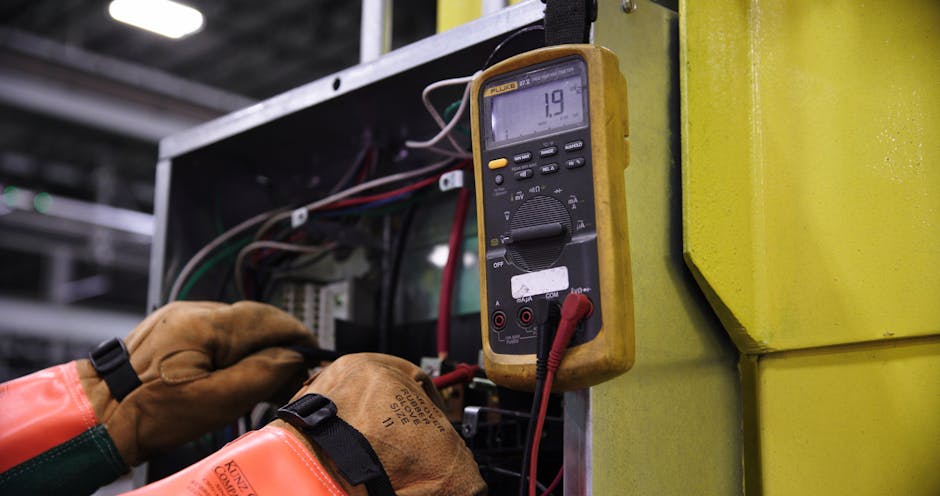
Power Outages in Single Rooms: How to Diagnose and Fix Partial Electrical Failures
DIY & Maintenance
Essential Tools Every Homeowner Needs for Basic Electrical Troubleshooting
DIY & Maintenance
Loose Electrical Connections: How to Identify and Fix Dangerous Wire Problems
DIY & Maintenance