Electrical Humming Sounds: How to Locate and Fix Buzzing Noises in Your Home
Strange humming or buzzing sounds from your electrical system can indicate serious issues. Learn how to identify the source and determine when professional help is needed.
Erik Cruickshank Jr.
Author
Understanding Electrical Humming: More Than Just an Annoyance
That persistent humming or buzzing sound coming from somewhere in your home isn't just annoying—it could be a warning sign of electrical problems that need immediate attention. While some electrical humming is normal, unusual or loud buzzing sounds often indicate loose connections, overloaded circuits, or failing components that pose safety risks.
Understanding the difference between normal and problematic electrical sounds can help you protect your home and family from potential hazards like electrical fires or equipment damage.
Common Sources of Electrical Humming Sounds
Electrical Panel and Circuit Breakers
A slight humming from your electrical panel is often normal, but loud buzzing or crackling sounds indicate serious problems. Loose connections, overloaded circuits, or failing breakers can create these dangerous sounds. If your panel is making unusual noises, especially accompanied by burning smells or hot surfaces, turn off the main breaker and call an electrician immediately.
Light Fixtures and Ballasts
Fluorescent lights naturally produce a low hum due to their ballasts, but excessive buzzing often means the ballast is failing. LED lights shouldn't hum at all—if they do, the issue is usually with incompatible dimmer switches or poor-quality drivers. Replace buzzing fluorescent ballasts and ensure LED fixtures use compatible dimming systems.
Transformers and Power Supplies
Low-voltage transformers for landscape lighting, doorbells, or security systems can develop loud humming when they're overloaded or beginning to fail. Check the transformer's load rating against connected devices and replace units that exceed their capacity or show signs of overheating.
Step-by-Step Troubleshooting Process
1. Locate the Source
- Turn off all lights and appliances to isolate the sound
- Walk through your home systematically, listening carefully
- Use a stethoscope or empty glass against walls to pinpoint hidden sources
- Check both indoor and outdoor electrical components
2. Assess the Severity
- Note if the humming is constant or intermittent
- Check for accompanying symptoms like flickering lights or warm surfaces
- Document when the sound occurs (day/night, with specific appliances)
- Measure the volume—normal transformer hum should be barely audible
3. Safe Investigation Steps
Before investigating any electrical humming, turn off power to the affected circuit at the breaker panel. Visually inspect accessible connections for signs of looseness, corrosion, or overheating. Never touch electrical components while power is on, and avoid opening electrical panels unless you're qualified to do so safely.
When to Call a Professional
"Any humming accompanied by burning smells, sparks, or hot surfaces requires immediate professional attention. Don't attempt DIY repairs on electrical panels, high-voltage circuits, or unfamiliar wiring systems."
Contact DynamoElectric Inc immediately if you experience loud buzzing from your electrical panel, humming that suddenly increases in volume, sounds accompanied by flickering lights throughout your home, or any electrical noise combined with burning odors or visible sparks.
Prevention and Maintenance Tips
Regular electrical maintenance can prevent many humming issues. Schedule annual electrical inspections to catch loose connections before they become dangerous. Replace aging fluorescent fixtures with modern LED alternatives, and ensure your electrical system isn't overloaded by adding circuits when needed.
Keep transformers and electrical equipment clean and well-ventilated, as dust and overheating contribute to premature failure and increased noise levels.
Conclusion: Listen to Your Home's Electrical System
Your home's electrical system communicates through sounds, and learning to interpret these signals can prevent serious problems. While some humming is normal, unusual or loud electrical buzzing should never be ignored. When in doubt, prioritize safety and consult with qualified electrical professionals who can diagnose and resolve issues before they become dangerous or costly.
Tags
Written by
Erik Cruickshank Jr.
Author at DynamoGenAi
Related Articles
Bathroom Exhaust Fan Not Working: Troubleshooting Motor, Switch, and Ventilation Issues
DIY & Maintenance
Aluminum Wiring Problems: How to Identify and Address This Hidden Home Hazard
DIY & Maintenance
Doorbell Not Working: Complete Troubleshooting Guide for Chimes, Transformers, and Wiring
DIY & Maintenance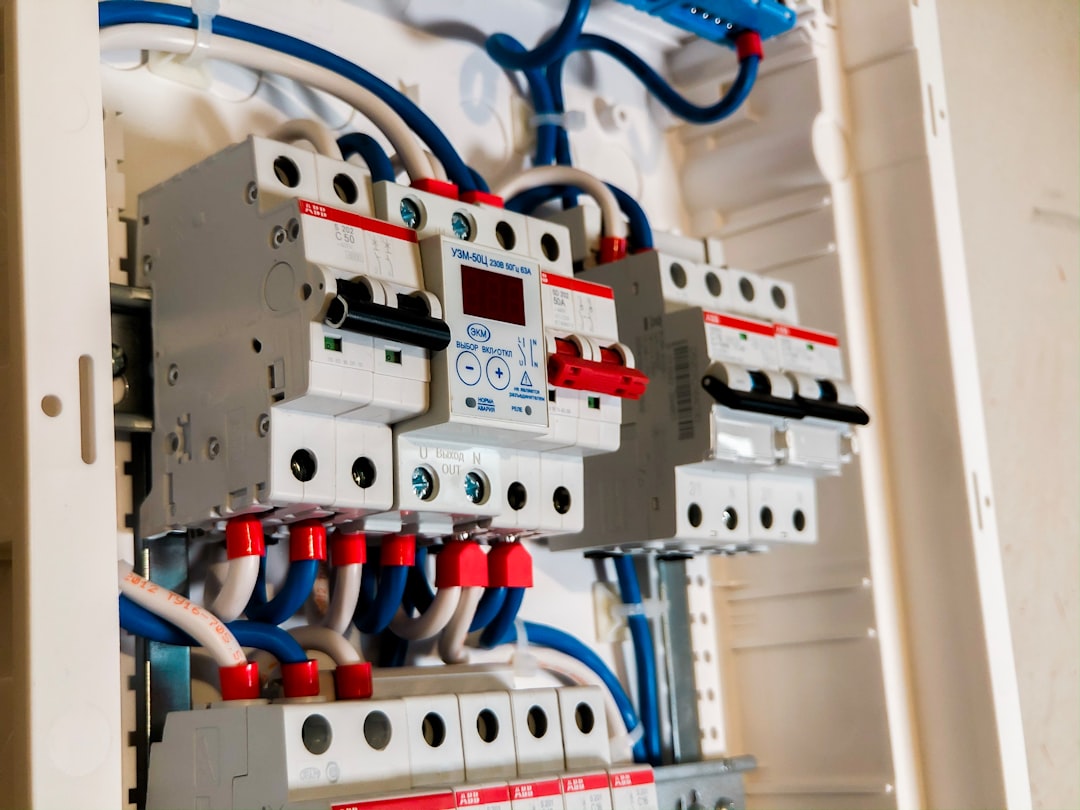
Top 10 Warning Signs Your House Needs Complete Rewiring: A Technical Assessment Guide
House rewiring