Loose Electrical Connections: How to Identify and Fix Dangerous Wire Problems
Loose electrical connections cause fires, power issues, and equipment damage. Learn to spot warning signs like warm outlets, intermittent power, and arcing sounds before they become dangerous.
Erik Cruickshank Jr.
Author
The Hidden Danger of Loose Electrical Connections
Loose electrical connections are among the most dangerous yet overlooked problems in homes today. These seemingly minor issues cause thousands of house fires annually and can lead to expensive equipment damage, power outages, and serious safety hazards. Understanding how to identify and address loose connections can protect your family and property.
Warning Signs of Loose Electrical Connections
Recognizing the early symptoms of loose connections is crucial for preventing serious problems. Here are the key indicators to watch for:
Physical Signs
- Warm outlets or switch plates: Touch test your outlets and switches regularly - they should never feel warm
- Scorch marks or discoloration: Brown or black marks around outlets, switches, or panel connections
- Melted plastic: Deformed outlet covers or switch plates indicate overheating
- Loose-fitting plugs: If plugs fall out easily, the outlet's internal connections may be worn
Electrical Performance Issues
- Intermittent power loss: Lights or appliances that work sporadically
- Voltage fluctuations: Lights dimming when large appliances turn on
- Frequent bulb burnouts: Light bulbs failing prematurely due to voltage irregularities
- Arc fault breaker trips: Modern AFCI breakers detecting dangerous arcing
Audible Warning Signs
- Crackling or popping sounds: Electrical arcing at connection points
- Sizzling noises: Heat buildup at loose terminals
- Buzzing from outlets: Different from the humming covered in other electrical issues
Common Locations for Loose Connections
Certain areas in your electrical system are more prone to developing loose connections:
Electrical Panel Connections
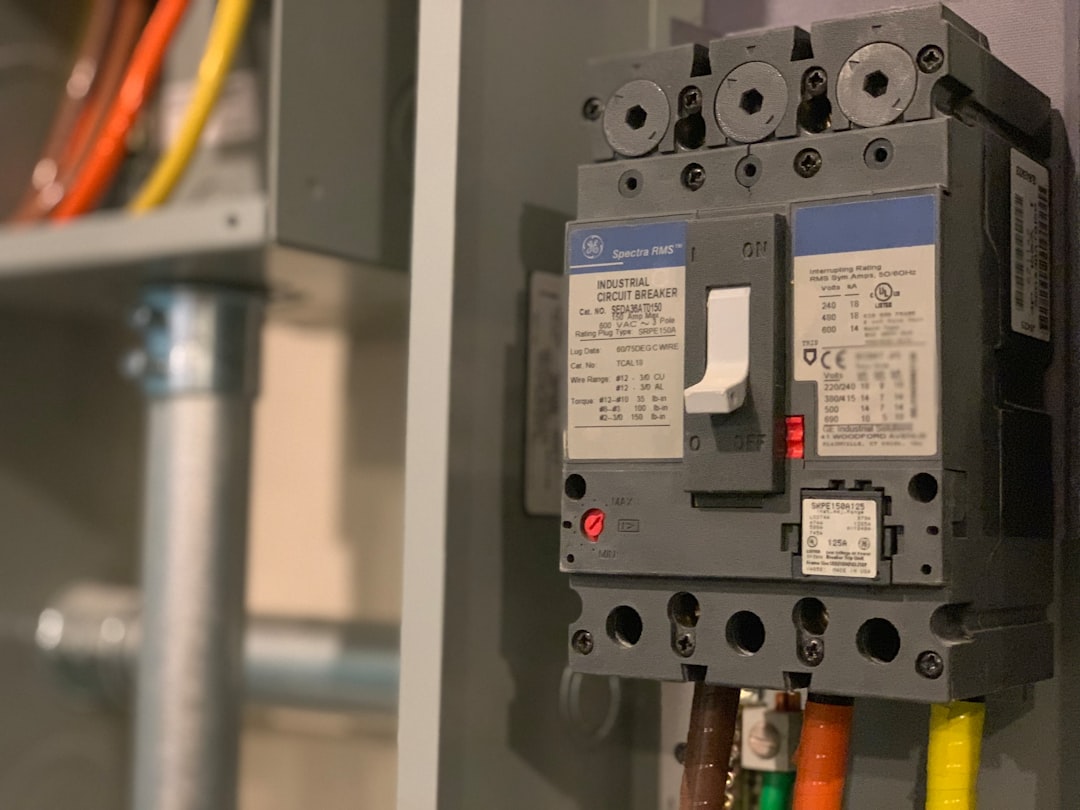
Main panel connections can loosen over time due to thermal cycling and vibration. Look for discolored breakers, warm panel areas, or burnt smells near the electrical panel.
Outlet and Switch Connections
Frequently used outlets and switches experience wear that can cause connections to loosen. Kitchen and bathroom outlets are particularly susceptible due to higher usage and environmental factors.
Junction Boxes
Hidden junction boxes in walls, attics, and basements can develop loose wire nuts or terminal connections over years of thermal expansion and contraction.
Safe DIY Troubleshooting Steps
Safety First: Always turn off power at the circuit breaker before inspecting any electrical connections. Use a non-contact voltage tester to confirm power is off.
Visual Inspection Process
- Turn off the circuit: Locate and switch off the appropriate breaker
- Remove outlet or switch covers: Use a screwdriver to carefully remove face plates
- Examine wire connections: Look for loose wire nuts, disconnected wires, or burnt terminals
- Check for proper wire gauge: Ensure wires match the circuit's amperage requirements
- Inspect for damage: Look for frayed insulation, corroded connections, or heat damage
Basic Connection Repairs
For simple loose connections you can safely address:
- Tighten terminal screws: Use appropriate screwdrivers to secure loose connections
- Replace worn wire nuts: Install properly sized wire nuts and ensure tight connections
- Clean corroded terminals: Remove oxidation with fine sandpaper or wire brush
- Verify proper wire positioning: Ensure wires are fully inserted into terminals
When to Call a Professional
While some loose connection repairs are DIY-friendly, certain situations require professional expertise:
- Main electrical panel connections
- Aluminum wiring systems
- Multiple circuits affected simultaneously
- Signs of significant heat damage or melting
- Unfamiliarity with electrical safety procedures
Prevention Strategies
Regular maintenance can prevent loose connections from developing:
- Annual electrical inspections: Have a qualified electrician check your system yearly
- Thermal imaging: Professional thermal scans can identify hot spots before they become dangerous
- Prompt repairs: Address electrical issues immediately rather than ignoring them
- Quality components: Use high-grade outlets, switches, and wire nuts during repairs
Conclusion
Loose electrical connections pose serious risks but are often preventable with proper awareness and maintenance. By recognizing warning signs early and addressing issues promptly, you can protect your home from electrical fires and ensure reliable power delivery. When in doubt, always consult with a qualified electrician – the cost of professional service is minimal compared to potential fire damage or safety risks.
Remember that electrical safety is not an area for shortcuts or guesswork. Stay vigilant, perform regular inspections, and don't hesitate to seek professional help when dealing with complex electrical issues.
Tags
Written by
Erik Cruickshank Jr.
Author at DynamoGenAi
Related Articles
Electrical Humming Sounds: How to Locate and Fix Buzzing Noises in Your Home
DIY & Maintenance
Aluminum Wiring Problems: How to Identify and Address This Hidden Home Hazard
DIY & Maintenance
Doorbell Not Working: Complete Troubleshooting Guide for Chimes, Transformers, and Wiring
DIY & Maintenance
Top 10 Warning Signs Your House Needs Complete Rewiring: A Technical Assessment Guide
House rewiring