Essential Tools Every Homeowner Needs for Basic Electrical Troubleshooting
Learn which electrical tools are must-haves for safe DIY troubleshooting and how to use them properly to diagnose common home electrical problems before calling a professional.
Mrs. Asia Hill
Author
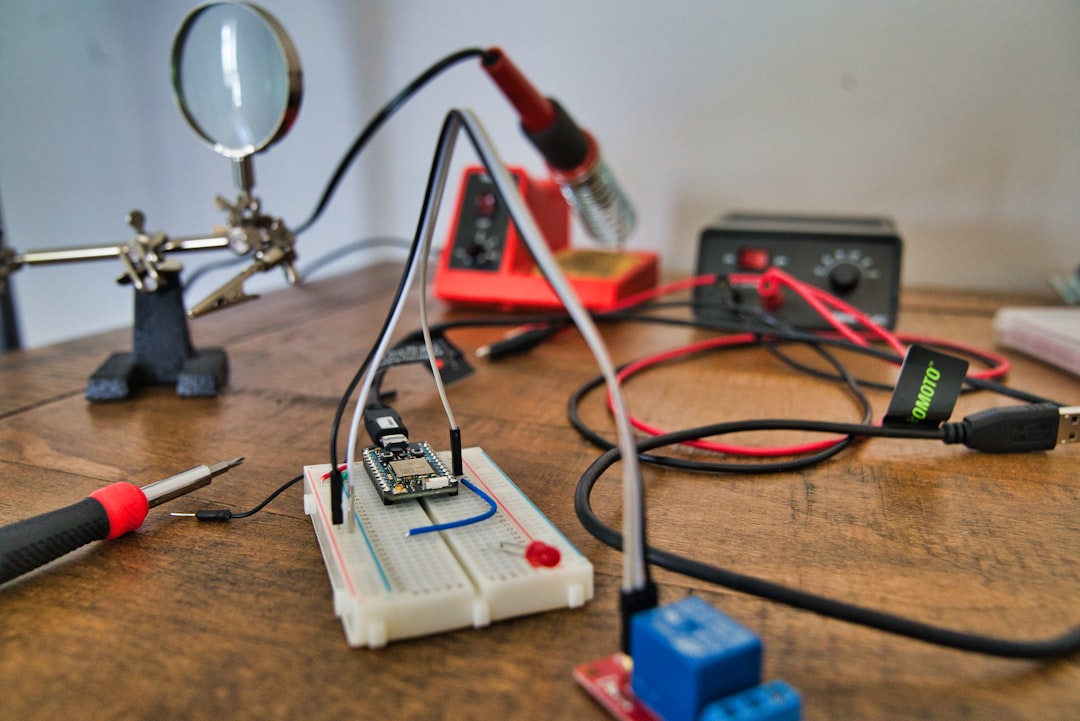
Essential Tools Every Homeowner Needs for Basic Electrical Troubleshooting
Having the right tools can mean the difference between safely identifying an electrical issue and creating a dangerous situation. Here's your complete guide to building a basic electrical troubleshooting toolkit.
Why Proper Tools Matter for Electrical Safety
Attempting electrical troubleshooting without the right equipment is like driving blindfolded. Not only will you struggle to identify problems accurately, but you'll also put yourself at serious risk of electrocution or fire.
Professional-grade tools provide safety features, accurate readings, and reliable performance that household items simply cannot match.
Essential Electrical Testing Tools
1. Digital Multimeter
- Purpose: Measures voltage, current, and resistance
- Key features: Auto-ranging, safety ratings (CAT III or higher)
- Uses: Testing outlet voltage, checking continuity, measuring resistance
- Price range: $25-$100 for quality home use models
2. Non-Contact Voltage Tester
- Purpose: Detects live wires without physical contact
- Key features: Audio and visual alerts, sensitivity adjustment
- Uses: Checking if wires are live before working on them
- Safety tip: Always test on a known live circuit first
Safety Equipment You Can't Skip
Personal Protective Equipment (PPE)
- Insulated gloves: Rated for electrical work (Class 0 minimum)
- Safety glasses: Protect against arc flash and debris
- Insulated tools: Screwdrivers and pliers with 1000V rating
- Flashlight or headlamp: Hands-free lighting for panel work
Specialized Diagnostic Tools
Circuit Breaker Finder
This two-piece tool helps you identify which breaker controls specific outlets or fixtures. The transmitter plugs into an outlet while the receiver locates the corresponding breaker in your panel.
GFCI Outlet Tester
A simple plug-in device that tests GFCI outlets for proper wiring and function. It can identify common wiring errors like reversed hot and neutral wires or missing ground connections.
Wire Strippers and Electrical Tape
For minor repairs and connections, quality wire strippers and electrical tape rated for your voltage are essential. Choose tape that's UL-listed and appropriate for the application.
How to Use Your Tools Safely
Safety Protocol Checklist
- Always turn off power at the breaker before working
- Test your non-contact voltage tester on a known live circuit
- Verify power is off using multiple testing methods
- Wear appropriate PPE for every task
- Work in good lighting conditions
- Never work alone on electrical projects
When Tools Aren't Enough
Even with the right tools, some electrical problems require professional expertise. Complex wiring issues, panel upgrades, and code compliance work should always be handled by licensed electricians.
"The right tools can help you identify problems, but knowing when to stop and call a professional is equally important for your safety."
Need Professional Electrical Help?
While having the right tools is important for basic troubleshooting, complex electrical issues require professional expertise. DynamoElectric Inc's licensed electricians have the advanced diagnostic equipment and experience to safely resolve any electrical problem in your home.
Contact DynamoElectric Inc today for reliable, professional electrical services and expert advice!
Tags
Written by
Mrs. Asia Hill
Author at DynamoGenAi
Related Articles
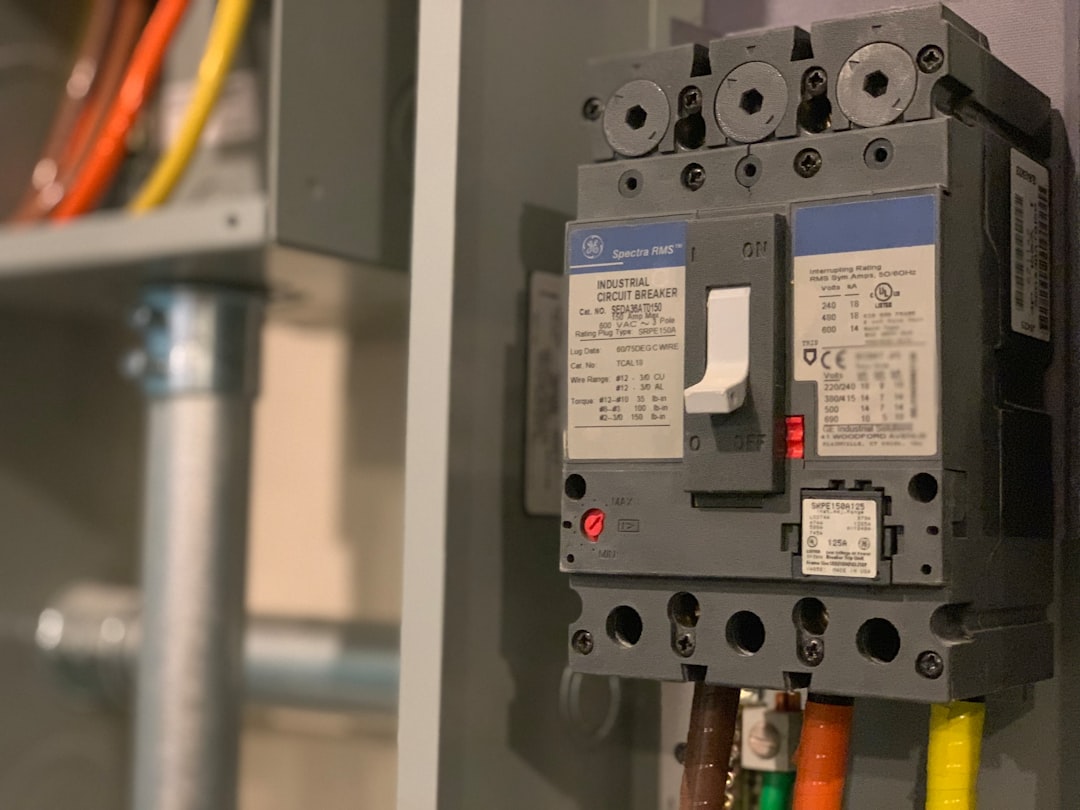
Loose Electrical Connections: How to Identify and Fix Dangerous Wire Problems
DIY & Maintenance
Extension Cord Overheating: How to Prevent Fire Hazards and Use Cords Safely
DIY & Maintenance
Electrical Panel Hot to Touch: Warning Signs and Safe Troubleshooting Steps
DIY & Maintenance
Ceiling Fan Not Working: Troubleshooting Motor, Lights, and Remote Control Issues
DIY & Maintenance