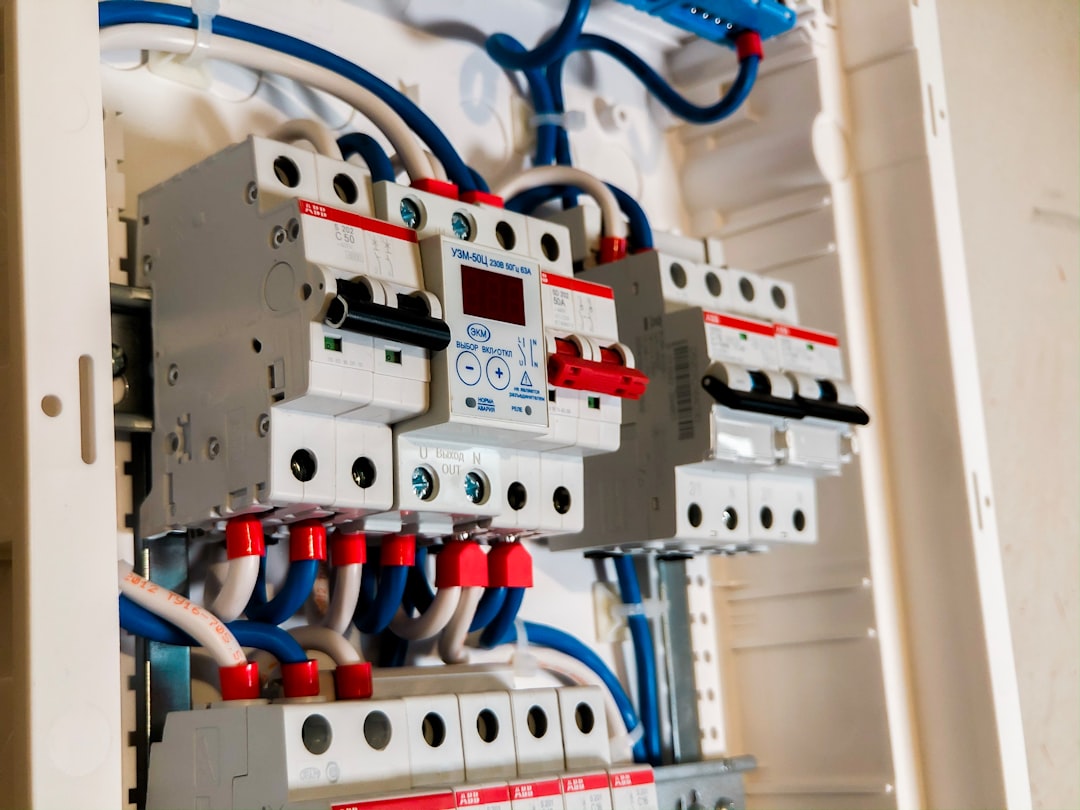
Power Outages in Single Rooms: How to Diagnose and Fix Partial Electrical Failures
When one room loses power while the rest of your house works fine, the problem could be anything from a tripped breaker to faulty wiring. Learn how to systematically diagnose and resolve these frustrating partial power outages.
Mrs. Asia Hill
Author
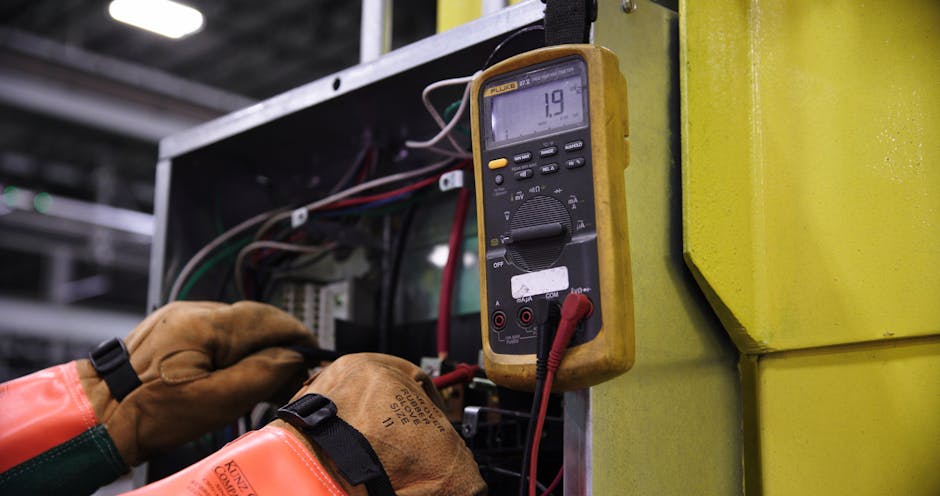
Nothing is more puzzling than walking into a room where nothing electrical works, while the rest of your home has perfect power. This selective power loss can leave homeowners scratching their heads, but with the right troubleshooting approach, you can often identify and resolve the issue safely.
Understanding Partial Power Loss
When a single room or specific area of your home loses power, you're dealing with what electricians call a "partial outage." Unlike whole-house power failures, these issues typically stem from problems within your home's electrical system rather than utility company issues.
💡 Quick Safety Note: Always turn off power at the main breaker before investigating electrical panels or attempting any repairs.
Step-by-Step Troubleshooting Process
1. Check Your Circuit Breaker Panel
- Look for tripped breakers: A tripped breaker will be in the middle position, not fully "ON" or "OFF"
- Reset procedure: Push the breaker fully to "OFF" then back to "ON"
- Test immediately: If it trips again right away, you have a serious electrical fault
2. Inspect GFCI and AFCI Protection
Many room circuits are protected by Ground Fault Circuit Interrupters (GFCI) or Arc Fault Circuit Interrupters (AFCI). These safety devices can cut power to entire rooms when they detect problems.
- Check all GFCI outlets in bathrooms, kitchens, and outdoor areas
- Press the "RESET" button on any GFCI outlets that appear tripped
- Look for AFCI breakers in your panel - these may have indicator lights
3. Test Outlet Functionality Systematically
Use a non-contact voltage tester or plug-in circuit tester to check each outlet in the affected room:
- Start with outlets closest to the electrical panel
- Work your way through the room methodically
- Note which outlets have power and which don't
- Check light switches and overhead fixtures
Common Causes and Solutions
Overloaded Circuits
Modern homes often have too many devices plugged into single circuits. High-power appliances like space heaters, microwaves, or hair dryers can overload circuits designed decades ago.
Solution: Redistribute electrical loads across multiple circuits or upgrade your electrical service.
Faulty Wiring Connections
Loose wire connections in junction boxes, outlets, or switches can cause intermittent power loss that eventually becomes permanent.
Damaged Circuit Wiring
Rodent damage, construction accidents, or aging insulation can create shorts or breaks in circuit wiring.
When to Stop and Call Professionals
Stop troubleshooting immediately if you encounter:
- Burning smells or visible scorch marks
- Sparking from outlets or switches
- Warm or hot electrical components
- Breakers that won't stay reset
- Any signs of water damage near electrical components
Professional Electrical Solutions
While basic troubleshooting can help identify simple issues, partial power outages often require professional diagnosis and repair. Complex problems like faulty wiring, overloaded circuits, or panel issues need expert attention to ensure safety and code compliance.
Need Expert Electrical Troubleshooting?
Don't let partial power outages disrupt your daily routine. DynamoElectric Inc's certified electricians have the tools and expertise to quickly diagnose and resolve complex electrical issues safely.
Contact DynamoElectric Inc today for professional electrical troubleshooting and repair services!
Tags
Written by
Mrs. Asia Hill
Author at DynamoGenAi
Related Articles
Loose Electrical Connections: How to Identify and Fix Dangerous Wire Problems
DIY & Maintenance
Electrical Humming Sounds: How to Locate and Fix Buzzing Noises in Your Home
DIY & Maintenance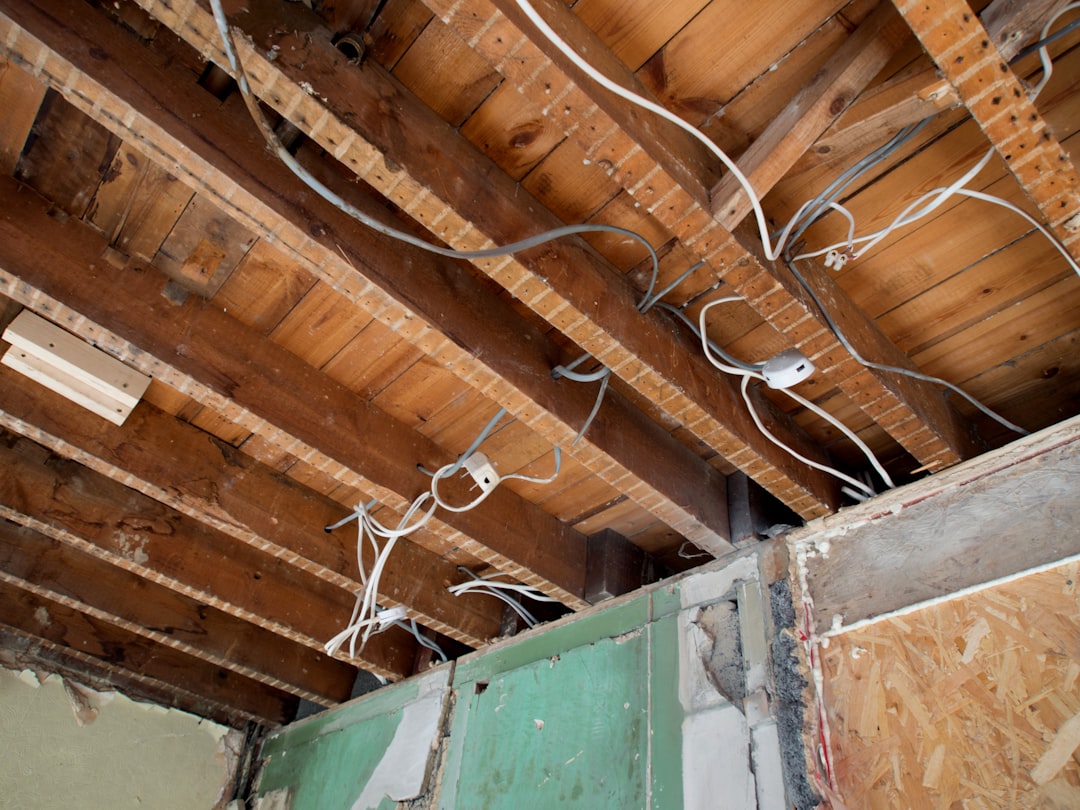
Aluminum Wiring Problems: How to Identify and Address This Hidden Home Hazard
DIY & Maintenance
Doorbell Not Working: Complete Troubleshooting Guide for Chimes, Transformers, and Wiring
DIY & Maintenance