Electrical Load Calculations: How to Prevent Overloaded Circuits Before They Trip
Learn to calculate electrical loads and identify overloaded circuits before they cause problems. Master the math behind safe electrical usage in your home.
Mrs. Asia Hill
Author
Understanding Electrical Load: The Foundation of Safe Home Wiring
Most homeowners wait until a circuit breaker trips to realize they have an overload problem. But what if you could prevent these issues by understanding how much electrical load your circuits can safely handle?
Electrical load calculation isn't just for electricians—it's a valuable skill that helps you prevent dangerous overloads, plan appliance purchases, and understand your home's electrical capacity. Let's break down this essential troubleshooting technique.
What Is Electrical Load and Why It Matters
Electrical load refers to the amount of power (measured in watts or amps) that your electrical devices consume. Every circuit in your home has a maximum safe capacity, typically:
- 15-amp circuits: 1,800 watts maximum (1,440 watts continuous)
- 20-amp circuits: 2,400 watts maximum (1,920 watts continuous)
- 30-amp circuits: 3,600 watts maximum (typically for large appliances)
How to Calculate Your Circuit Load
Step 1: Identify Your Circuit Capacity
Check your electrical panel for the amperage rating of each breaker. Most household circuits are either 15 or 20 amps.
Step 2: List All Connected Devices
Walk through each room and note every device connected to the circuit. Don't forget:
- Permanently installed fixtures
- Plugged-in appliances
- Electronics on standby
Step 3: Find Wattage Ratings
Look for wattage information on:
- Device labels or nameplates
- User manuals
- Online specifications
- Manufacturer websites
Step 4: Apply the 80% Rule
For safety, never load a circuit beyond 80% of its capacity for continuous use:
Formula: Circuit Amperage × 120 volts × 0.80 = Safe Continuous Load
Example: 20 amps × 120V × 0.80 = 1,920 watts maximum
Common High-Load Appliances to Watch
Kitchen Appliances
- Microwave: 1,000-1,500W
- Toaster: 800-1,500W
- Coffee maker: 900-1,200W
- Dishwasher: 1,500-2,000W
Other High-Load Items
- Hair dryer: 1,200-1,800W
- Space heater: 1,500W
- Vacuum cleaner: 1,000-1,400W
- Window AC unit: 1,200-2,000W
Warning Signs of Overloaded Circuits
Watch for these indicators that your load calculations might reveal problems:
- Frequent breaker trips when using multiple appliances
- Dimming lights when large appliances start
- Warm outlet covers or switch plates
- Burning smells from outlets or panels
- Mild electrical shocks from appliances
Practical Load Management Solutions
Redistribute Your Electrical Load
- Move high-wattage appliances to different circuits
- Use appliances sequentially rather than simultaneously
- Install dedicated circuits for major appliances
- Consider upgrading to higher-capacity circuits where needed
Energy-Efficient Alternatives
Replace high-load devices with energy-efficient models:
- LED bulbs instead of incandescent
- Energy Star appliances
- Programmable thermostats
- Smart power strips to eliminate phantom loads
When Professional Help Is Essential
While load calculations help you understand your electrical system, some situations require professional intervention. Circuit upgrades, panel modifications, and new circuit installations should always be handled by licensed electricians.
For expert electrical load analysis and safe circuit upgrades, trust DynamoElectric Inc. Our experienced electricians can perform comprehensive load calculations, recommend circuit improvements, and ensure your home's electrical system meets all safety standards. Don't risk overloaded circuits—contact DynamoElectric Inc today for professional electrical troubleshooting and solutions that keep your home safe and efficient.
Tags
Written by
Mrs. Asia Hill
Author at DynamoGenAi
Related Articles
Power Outages in Single Rooms: How to Diagnose and Fix Partial Electrical Failures
DIY & Maintenance
Essential Tools Every Homeowner Needs for Basic Electrical Troubleshooting
DIY & Maintenance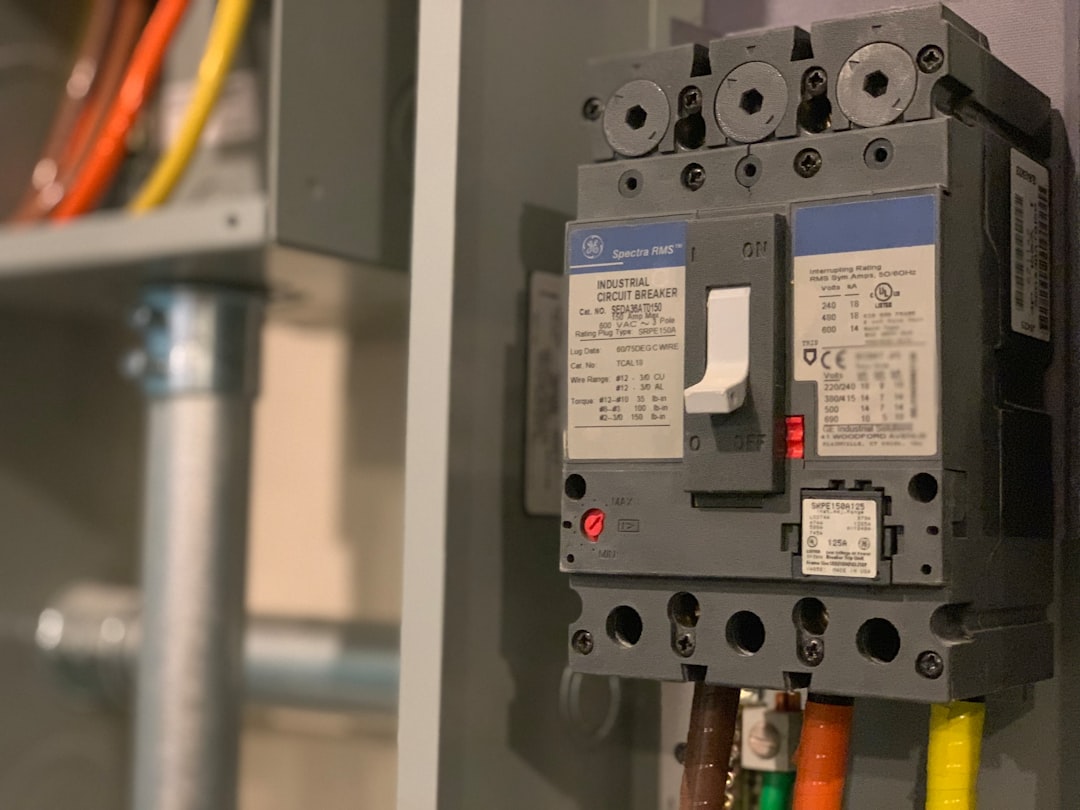
Loose Electrical Connections: How to Identify and Fix Dangerous Wire Problems
DIY & Maintenance
Electrical Humming Sounds: How to Locate and Fix Buzzing Noises in Your Home
DIY & Maintenance