Electrical Panel Hot to Touch: Warning Signs and Safe Troubleshooting Steps
Discovering your electrical panel feels warm or hot can be alarming. Learn how to safely assess the situation and determine when immediate professional intervention is required.
Super Admin
Author
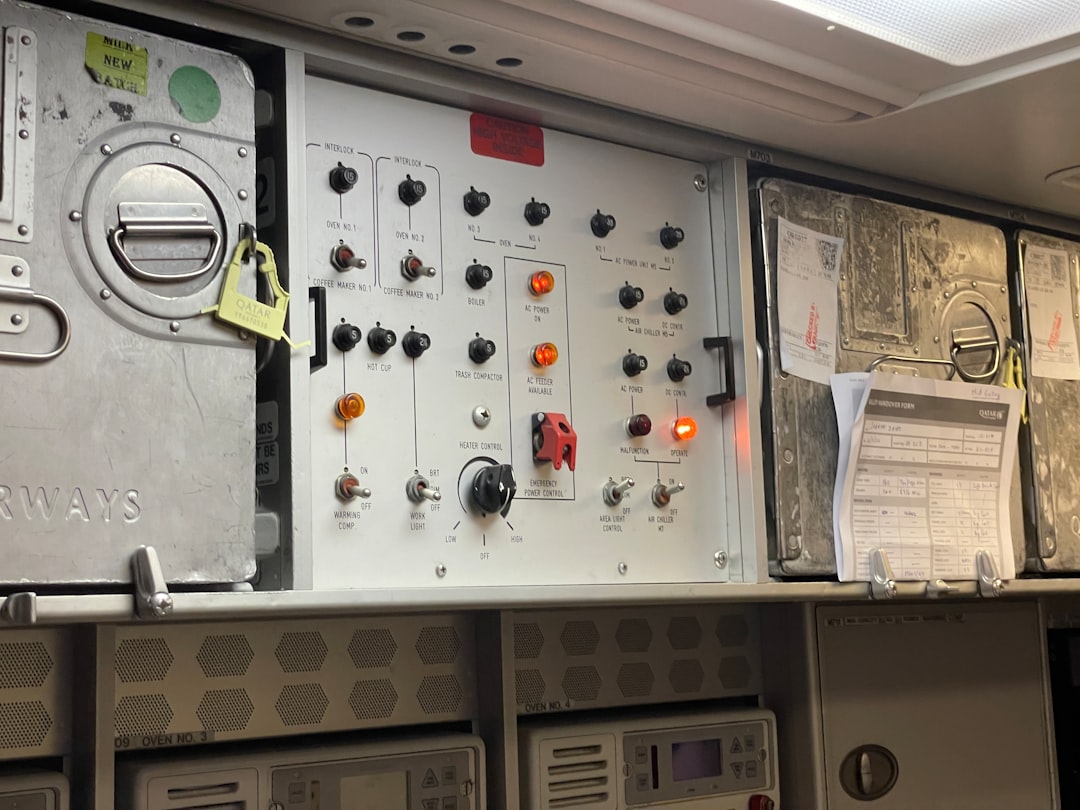
When you notice your electrical panel feels unusually warm or hot to the touch, it's a serious warning sign that demands immediate attention. Understanding the causes and knowing how to respond safely can prevent potential electrical fires and protect your home.
Understanding Normal vs. Dangerous Panel Temperatures
Electrical panels naturally generate some heat during normal operation, especially when handling heavy electrical loads. However, there's a significant difference between slightly warm and dangerously hot.
Normal Temperature Range
- Panel should feel no warmer than room temperature
- Slight warmth during peak usage (summer air conditioning, winter heating) may be acceptable
- Temperature should never exceed what feels comfortable to sustained touch
Dangerous Warning Signs
- Panel feels noticeably hot to touch
- Heat radiating from specific breaker switches
- Discoloration or scorch marks around breakers
- Burning smell emanating from the panel
- Crackling or buzzing sounds
Common Causes of Overheating Electrical Panels
Several factors can cause your electrical panel to overheat, ranging from minor issues to serious electrical hazards that require immediate professional attention.
Overloaded Circuits
The most common cause of panel overheating occurs when circuits carry more electrical load than they're designed to handle. This typically happens when:
- Too many high-wattage appliances operate simultaneously
- Extension cords and power strips create additional load
- Seasonal equipment like space heaters or pool pumps exceed capacity
Loose Electrical Connections
Loose wire connections create electrical resistance, generating dangerous heat buildup. This serious condition can lead to:
- Arcing between connections
- Progressive wire damage
- Increased fire risk
Aging Panel Components
Older electrical panels may develop heat issues due to:
- Corroded breaker connections
- Worn bus bars
- Deteriorated insulation
Safe Troubleshooting Steps for Homeowners
Safety First: Never remove the panel cover or attempt internal repairs. These steps focus on external assessment and basic load management only.
Step 1: Initial Assessment
- Turn off main power if panel feels extremely hot or you smell burning
- Visually inspect the panel exterior for scorch marks or discoloration
- Listen carefully for crackling, buzzing, or humming sounds
- Note the time and circumstances when overheating occurs
Step 2: Load Reduction
If the panel feels warm but not dangerously hot, try reducing electrical load:
- Turn off non-essential appliances
- Unplug devices drawing standby power
- Avoid running multiple high-wattage appliances simultaneously
- Check if temperature returns to normal
Step 3: Monitor and Document
Keep detailed records of overheating incidents:
- Time of day and weather conditions
- Which appliances were operating
- Specific breakers that feel warm
- Duration of overheating episodes
When to Call a Professional Immediately
Emergency Situations - Call Now:
- Panel too hot to touch for more than a few seconds
- Burning smell from electrical panel
- Visible sparks or arcing
- Scorch marks or melted components
- Loud crackling or popping sounds
Professional Assessment Needed
Schedule professional inspection if you experience:
- Consistent warmth even with reduced load
- Specific breakers that feel warmer than others
- Frequent breaker trips accompanied by heat
- Panel over 20 years old showing heat issues
Prevention and Long-Term Solutions
Regular Maintenance
- Schedule annual electrical inspections
- Keep panel area clean and well-ventilated
- Monitor electrical usage patterns
- Address minor issues before they escalate
Load Management
- Distribute high-wattage appliances across different circuits
- Consider upgrading to higher capacity panel if needed
- Install dedicated circuits for major appliances
- Use timers to stagger appliance operation
Conclusion: Prioritizing Electrical Safety
A hot electrical panel is never something to ignore or delay addressing. While some troubleshooting steps can help identify the cause, overheating panels require professional attention to ensure your home's safety. Remember that electrical fires can develop rapidly and cause devastating damage.
When in doubt, prioritize safety over convenience. Professional electricians have the tools and expertise to diagnose panel issues safely and implement lasting solutions that protect your home and family.
Tags
Written by
Super Admin
Author at DynamoGenAi
Related Articles
Ceiling Fan Not Working: Troubleshooting Motor, Lights, and Remote Control Issues
DIY & Maintenance
Dimmer Switch Problems: How to Fix Buzzing, Flickering, and Heat Issues
DIY & Maintenance
Light Switch Not Working: Complete Diagnosis and Repair Guide for Homeowners
DIY & Maintenance
Electrical Burning Smell in Your Home: How to Identify the Source and Stay Safe
DIY & Maintenance