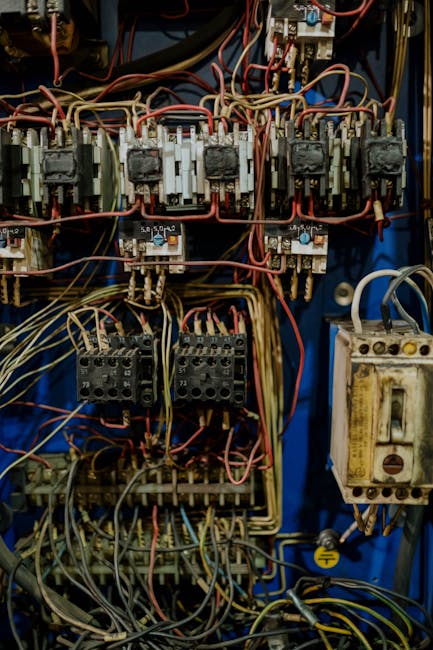
Dimmer Switch Problems: How to Fix Buzzing, Flickering, and Heat Issues
Dimmer switches acting up? Learn how to troubleshoot common dimmer problems like buzzing sounds, inconsistent dimming, and overheating before calling an electrician.
Super Admin
Author
Understanding Your Dimmer Switch Troubles
Dimmer switches are fantastic for creating ambiance and saving energy, but when they start buzzing like an angry bee or heating up like a toaster, they can quickly become a source of frustration. Unlike standard on/off switches, dimmers are more complex devices that can develop unique problems requiring specific troubleshooting approaches.
Before you assume your dimmer needs replacement, many common issues can be resolved with some basic understanding and careful inspection. Let's explore the most frequent dimmer switch problems and how to address them safely.
The Buzzing Dimmer: Identifying and Fixing Electrical Noise
That annoying buzzing or humming sound from your dimmer switch isn't just irritating—it's telling you something important about your electrical setup.
Why Dimmers Buzz
- Incompatible bulbs: Standard incandescent bulbs with older dimmer technology can create vibrations
- Overloaded circuit: Too many lights connected to one dimmer
- Poor wiring connections: Loose wire nuts or terminals
- Wrong dimmer type: Using an incandescent dimmer with LED or CFL bulbs
Troubleshooting Steps for Buzzing
- Check your bulb compatibility: Ensure you're using dimmable bulbs that match your dimmer type
- Reduce the load: Try removing some bulbs to see if the buzzing stops
- Inspect connections: Turn off power and check that all wire connections are tight
- Test at different dim levels: If buzzing only occurs at certain brightness levels, the dimmer may need adjustment or replacement
Safety Note: Always turn off power at the circuit breaker before inspecting any electrical connections. Use a non-contact voltage tester to confirm power is off.
When Your Dimmer Won't Dim Properly
Inconsistent dimming behavior—lights that won't dim smoothly, jump between brightness levels, or flicker during adjustment—indicates specific compatibility or wiring issues.
Common Dimming Problems
- Lights won't dim below a certain level: Usually a minimum load issue
- Sudden brightness jumps: Often caused by incompatible LED bulbs
- Delayed response: Can indicate failing dimmer components
- Uneven dimming across fixtures: Suggests mixed bulb types or wattages
Diagnosis and Solutions
Start by checking your bulb specifications. Modern LED and CFL bulbs require specific dimmer types designed for their lower wattage and different electrical characteristics. If you're using a mix of bulb types, this can cause erratic dimming behavior.
Next, verify your dimmer's load requirements. Most dimmers have minimum and maximum wattage ratings. Too few bulbs (under-loading) can cause poor dimming performance, while too many (over-loading) can cause overheating and failure.
Overheating Dimmer Switches: A Serious Safety Concern
A dimmer switch that feels hot to the touch is more than an inconvenience—it's a potential fire hazard that requires immediate attention.
Causes of Overheating
- Exceeded wattage capacity: The most common cause
- Poor ventilation: Dimmers in enclosed boxes without airflow
- Faulty internal components: Aging electronic parts
- Incorrect installation: Improper wiring or mounting
Immediate Actions for Hot Dimmers
- Turn off the circuit: Immediately shut off power at the breaker
- Allow cooling: Let the dimmer cool completely before handling
- Check wattage: Add up the wattage of all connected bulbs and compare to dimmer rating
- Inspect installation: Look for proper mounting and adequate space around the switch
If your dimmer continues to overheat after reducing the load and ensuring proper installation, it likely needs replacement. Don't ignore this issue—overheating electrical components are a leading cause of house fires.
LED Compatibility: The Modern Dimmer Challenge
The shift to LED lighting has created new challenges for dimmer switches. Many older dimmers aren't designed for LED bulbs' unique electrical characteristics.
LED-Specific Issues
- Ghosting: LEDs glowing faintly when switched off
- Strobing: Rapid flickering at low dim levels
- Limited dimming range: LEDs that won't dim below 30-40%
- Color shifting: LEDs changing color temperature when dimmed
Solutions for LED Compatibility
Invest in an LED-compatible dimmer specifically designed for solid-state lighting. These dimmers use different control methods that work better with LED drivers. Also, ensure all your LED bulbs are specifically labeled as "dimmable"—non-dimmable LEDs can cause serious problems when used with any dimmer.
When to Call a Professional
While many dimmer issues can be resolved through troubleshooting, certain situations require professional electrical service:
- Persistent overheating despite proper load management
- Burning smells or visible damage to the switch
- Multiple dimmers failing simultaneously
- Electrical shocks when touching the dimmer
- Uncertainty about electrical safety procedures
Preventive Maintenance for Dimmer Longevity
Regular maintenance can prevent many dimmer problems and extend their lifespan:
- Annual inspections: Check for loose connections and signs of overheating
- Load monitoring: Ensure you stay within wattage limits when adding new fixtures
- Bulb compatibility: Always verify dimmer and bulb compatibility before installation
- Clean contacts: Dust and debris can cause poor connections and arcing
By understanding these common dimmer switch problems and their solutions, you can maintain a safe, functional lighting system while knowing when professional help is needed. Remember, electrical safety should always be your top priority—when in doubt, consult with a qualified electrician.
Tags
Written by
Super Admin
Author at DynamoGenAi
Related Articles
Light Switch Not Working: Complete Diagnosis and Repair Guide for Homeowners
DIY & Maintenance
Electrical Burning Smell in Your Home: How to Identify the Source and Stay Safe
DIY & Maintenance
Electrical Outlet Sparking: When to DIY and When to Call a Professional
DIY & Maintenance
GFCI Outlet Won't Reset: Complete Troubleshooting Guide for Homeowners
DIY & Maintenance