Electrical Outlet Sparking: When to DIY and When to Call a Professional
Sparking outlets can be alarming but aren't always dangerous. Learn to identify normal vs. hazardous sparks and discover safe troubleshooting steps every homeowner should know.
Super Admin
Author
Understanding Electrical Outlet Sparking: A Homeowner's Guide
Few things are more startling than seeing a spark fly from an electrical outlet when plugging in a device. While your first instinct might be panic, not all sparks indicate a dangerous situation. Understanding when outlet sparking is normal versus when it signals a serious electrical hazard can help you respond appropriately and keep your home safe.
Electrical sparking occurs when electricity jumps across a gap, creating a brief flash of light and sometimes a crackling sound. In some cases, this is completely normal electrical behavior. In others, it's a warning sign that requires immediate attention.
Normal vs. Dangerous Sparking: What's the Difference?
Normal Sparking Scenarios
Small, brief sparks can occur naturally during normal electrical operations. These "good" sparks typically happen when:
- Plugging in high-wattage appliances: Devices like vacuum cleaners, hair dryers, or space heaters may create small sparks due to their initial power draw
- Quick connection gaps: A tiny spark may occur in the split second between inserting a plug and making full contact
- Static electricity discharge: Dry conditions can cause minor static sparks that are harmless
Normal sparks are typically blue or white, last less than a second, and don't produce smoke or burning odors.
Warning Signs of Dangerous Sparking
Dangerous sparking requires immediate attention and often professional intervention. Red flags include:
- Large, persistent sparks: Sparks that are yellow, orange, or white and last several seconds
- Sparks accompanied by burning smells: Any electrical odor indicates overheating or burning components
- Sparks from the outlet itself: Sparking that occurs without plugging anything in
- Repeated sparking: Multiple sparks from the same outlet over time
- Sparks with smoke: Any visible smoke is a serious fire hazard
Common Causes of Outlet Sparking
Age and Wear
Older outlets naturally develop loose connections over time. The metal contacts inside can become worn, creating gaps that electricity must jump across. This is particularly common in homes over 20 years old where outlets haven't been updated.
Overloaded Circuits
When you plug too many devices into a single outlet or circuit, the electrical system can become strained. This overload can cause arcing and sparking as the system struggles to handle the excessive demand.
Moisture and Humidity
Water and electricity don't mix. High humidity, water damage, or moisture infiltration can cause dangerous sparking. This is especially problematic in bathrooms, kitchens, basements, and outdoor outlets.
Faulty Wiring
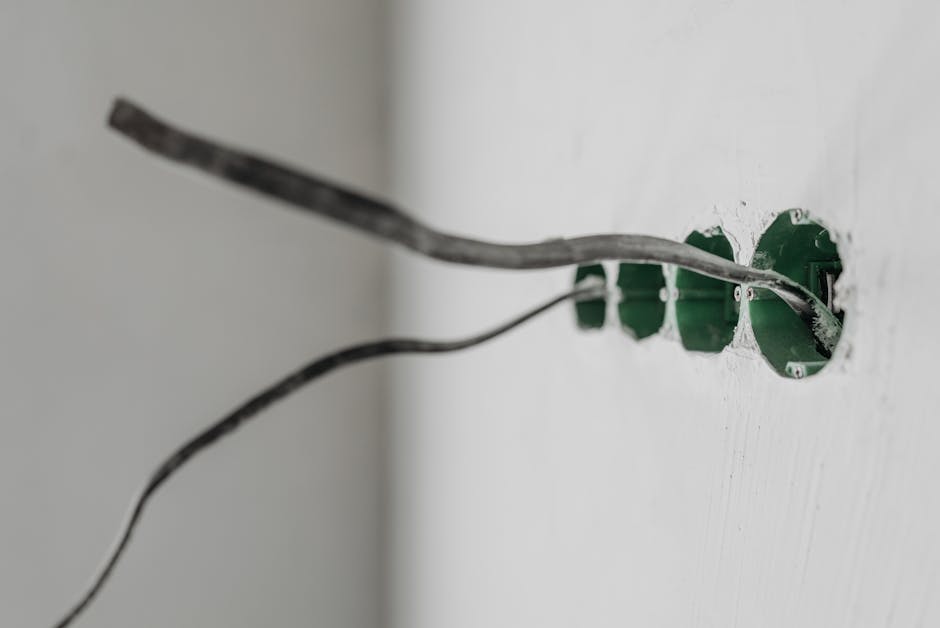
Behind-the-wall wiring issues, including loose connections, damaged insulation, or improper installations, can manifest as outlet sparking. This is often the most serious cause and requires professional attention.
Safe Troubleshooting Steps for Homeowners
Immediate Safety Actions
If you notice sparking, take these immediate steps:
- Unplug the device immediately: Remove any plugged-in items from the sparking outlet
- Turn off the circuit breaker: Locate the breaker controlling that outlet and switch it off
- Keep the area clear: Don't use the outlet until you've identified and resolved the issue
- Document the incident: Note when it happened, what was plugged in, and the spark's appearance
Basic Diagnostic Steps
Once the immediate danger is addressed, you can perform some basic troubleshooting:
Safety First: Only perform these checks with the power turned off at the breaker panel. If you're uncomfortable with any step, contact a professional electrician.
- Visual inspection: Look for obvious signs of damage, burning, or discoloration around the outlet
- Check for loose faceplates: Gently test if the outlet cover is secure
- Test different devices: Once power is restored, try plugging in a simple device like a phone charger to see if sparking persists
- Monitor other outlets: Check if the problem affects multiple outlets on the same circuit
DIY Solutions for Minor Issues
Tightening Loose Outlets
If the outlet feels loose in the wall, you may be able to tighten the mounting screws. With power off, remove the faceplate and gently tighten the screws holding the outlet to the electrical box. Be careful not to overtighten, which can crack the outlet.
Cleaning Contacts
Dust and debris can interfere with proper connections. With power off, use a clean, dry brush to gently remove any buildup from the outlet slots. Never use water or cleaning solutions on electrical components.
Reducing Circuit Load
If overloading is suspected, redistribute your electrical devices across different circuits. Avoid using multiple high-wattage appliances on the same circuit simultaneously.
When to Call a Professional Electrician
Certain sparking situations require professional expertise and should never be DIY projects:
- Sparking persists after basic troubleshooting
- Multiple outlets on the same circuit are affected
- You smell burning or see smoke
- The outlet feels warm or hot to the touch
- Your home's electrical system is over 20 years old
- You're uncomfortable performing any diagnostic steps
Prevention: Protecting Your Home's Electrical System
Regular Maintenance
Schedule annual electrical inspections, especially in older homes. A qualified electrician can identify potential problems before they become dangerous.
Upgrade Old Outlets
Consider upgrading to GFCI outlets in moisture-prone areas and AFCI outlets in bedrooms and living spaces for enhanced safety protection.
Proper Usage Habits
Avoid overloading outlets, unplug devices during storms, and replace damaged cords immediately. These simple habits can prevent many sparking incidents.
Conclusion: Staying Safe with Electrical Issues
While minor sparking can sometimes be normal, it's always better to err on the side of caution when dealing with electrical issues. By understanding the difference between normal and dangerous sparking, following safe troubleshooting procedures, and knowing when to call professionals, you can protect your home and family from electrical hazards.
Remember, electricity is unforgiving. When in doubt, consult with DynamoElectric Inc or another qualified electrical contractor. Your safety is worth more than the cost of a professional inspection.
Tags
Written by
Super Admin
Author at DynamoGenAi