
Electrical Burning Smell in Your Home: How to Identify the Source and Stay Safe
That mysterious burning smell could signal a serious electrical hazard. Learn how to safely identify the source and take immediate action to protect your family.
Super Admin
Author

When Electrical Odors Signal Danger
Few things are more alarming than catching a whiff of something burning in your home, especially when you can't immediately identify the source. That acrid, metallic, or plastic-like smell could be your electrical system sending you a critical warning signal. Understanding how to respond quickly and safely can prevent property damage and protect your family from potential fire hazards.
Electrical burning smells are never normal and should always be taken seriously. Unlike other household odors that might dissipate on their own, electrical burning indicates that components are overheating, arcing, or failing – conditions that can rapidly escalate into dangerous situations.
Common Types of Electrical Burning Smells
Burning Plastic or Rubber
This sharp, chemical odor typically indicates overheating wire insulation or plastic electrical components. You might notice this smell near outlets, switches, or electrical panels. The plastic coating on wires can melt when circuits are overloaded or connections become loose.
Metallic or Ozone-Like Scent
A metallic burning smell often suggests electrical arcing – when electricity jumps between conductors. This creates an ozone-like odor similar to what you might smell during a thunderstorm. Arcing is extremely dangerous and can ignite surrounding materials.
Fish-Like Odor
Surprisingly, many electrical fires produce a fishy smell. This occurs when electrical components overheat and release specific compounds. This odor is particularly common with overheating outlets, light fixtures, or electrical panels.
Step-by-Step Investigation Process
Immediate Safety Actions
- Stay calm but act quickly – Don't ignore the smell or assume it will go away
- Turn off main power if the smell is strong or you see smoke
- Never use water on electrical fires – keep a Class C fire extinguisher nearby
- Evacuate if necessary and call 911 if you suspect an active electrical fire
Systematic Source Detection
Once you've ensured immediate safety, begin methodically checking potential sources:
Start with the electrical panel: Open your breaker box and carefully smell near each breaker. Look for any signs of browning, melting, or unusual heat. A burning smell here requires immediate professional attention.
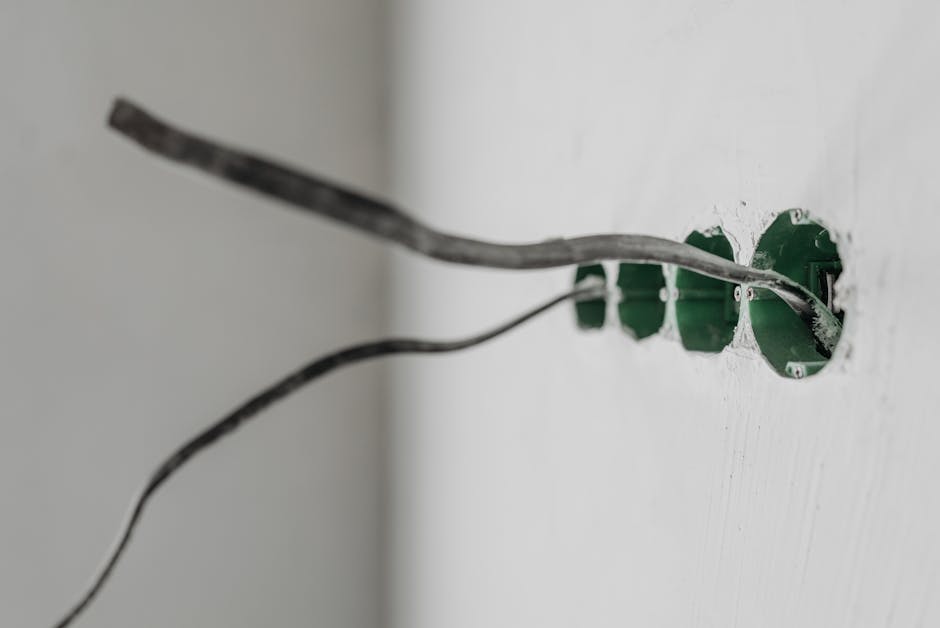
Check all outlets and switches: Remove cover plates if the smell seems strongest near specific outlets. Look for brown or black discoloration, melted plastic, or loose connections. Pay special attention to heavily used outlets.
Inspect light fixtures: Overloaded fixtures or incompatible bulb wattages can cause overheating. Check for melted plastic around bulb sockets or fixture housings.
Examine major appliances: Unplug and inspect appliances that draw significant power. Look for damaged cords, overheating motors, or burning smells coming from the appliance itself.
Behind-the-Scenes Electrical Issues
Hidden Wire Problems
Sometimes the burning smell originates from wires hidden within walls. This is particularly concerning because the problem may be advanced before becoming noticeable. Signs include:
- Warm or hot wall plates
- Intermittent power issues
- Burning smell that moves or seems to come from multiple locations
- Recently installed electrical work
Aluminum Wiring Concerns
Homes built between 1965-1973 often contain aluminum wiring, which expands and contracts more than copper. This can create loose connections over time, leading to overheating and burning smells. If your home has aluminum wiring, this smell requires immediate professional evaluation.
When DIY Investigation Becomes Dangerous
"If you smell burning electrical components, you're already in a potentially dangerous situation. The key is knowing when to investigate safely and when to call for help immediately." – National Fire Protection Association
Stop investigating and call a professional electrician immediately if you encounter:
- Any visible smoke or sparks
- Extremely hot electrical components
- Multiple locations with burning smells
- Burning smell combined with flickering lights or power fluctuations
- Any uncertainty about the source or severity
Prevention Strategies
Regular Electrical Maintenance
Prevent electrical burning smells through proactive maintenance:
- Annual electrical inspections by qualified professionals
- Avoid overloading circuits – distribute high-wattage appliances across different circuits
- Replace old outlets and switches showing signs of wear or discoloration
- Upgrade electrical panels in older homes to meet modern power demands
Smart Monitoring Solutions
Consider installing electrical monitoring devices that can detect unusual heat patterns or power fluctuations before they create burning smells. Smart circuit breakers and outlet monitors can provide early warnings through smartphone apps.
Emergency Response Plan
Create a family emergency plan for electrical burning smells:
- Designate who will check the electrical panel
- Ensure everyone knows the location of the main breaker
- Keep a Class C fire extinguisher in an accessible location
- Program your electrician's emergency number into all family phones
- Practice evacuation routes in case of electrical fire
Taking Action for Your Safety
Electrical burning smells are your home's early warning system – don't ignore these critical signals. While some investigation can be done safely by homeowners, remember that electrical issues can escalate rapidly. When in doubt, prioritize safety over cost savings and consult with qualified professionals.
Regular maintenance and prompt attention to warning signs like burning smells can prevent minor electrical issues from becoming major hazards. Your nose might just be the most important safety device in your electrical toolkit.
Tags
Written by
Super Admin
Author at DynamoGenAi
Related Articles
Electrical Outlet Sparking: When to DIY and When to Call a Professional
DIY & Maintenance
GFCI Outlet Won't Reset: Complete Troubleshooting Guide for Homeowners
DIY & Maintenance
Circuit Breaker Keeps Tripping: Understanding Why and How to Fix It
DIY & Maintenance