Electrical Issues After Power Outages: How to Safely Restore Your Home's Systems
Power outages can leave behind hidden electrical problems that pose serious safety risks. Learn how to systematically check and restore your home's electrical systems after the lights come back on.
Mrs. Asia Hill
Author
Understanding Post-Outage Electrical Complications
When the power comes back on after an outage, many homeowners assume everything is back to normal. However, power surges, voltage fluctuations, and system stress during restoration can create new electrical problems that weren't present before. These issues can range from minor inconveniences to serious safety hazards that require immediate attention.
Important Safety Note: Always wait at least 10-15 minutes after power restoration before beginning any electrical system checks. This allows the electrical grid to stabilize and reduces the risk of additional surges.
Step 1: Check Your Main Electrical Panel
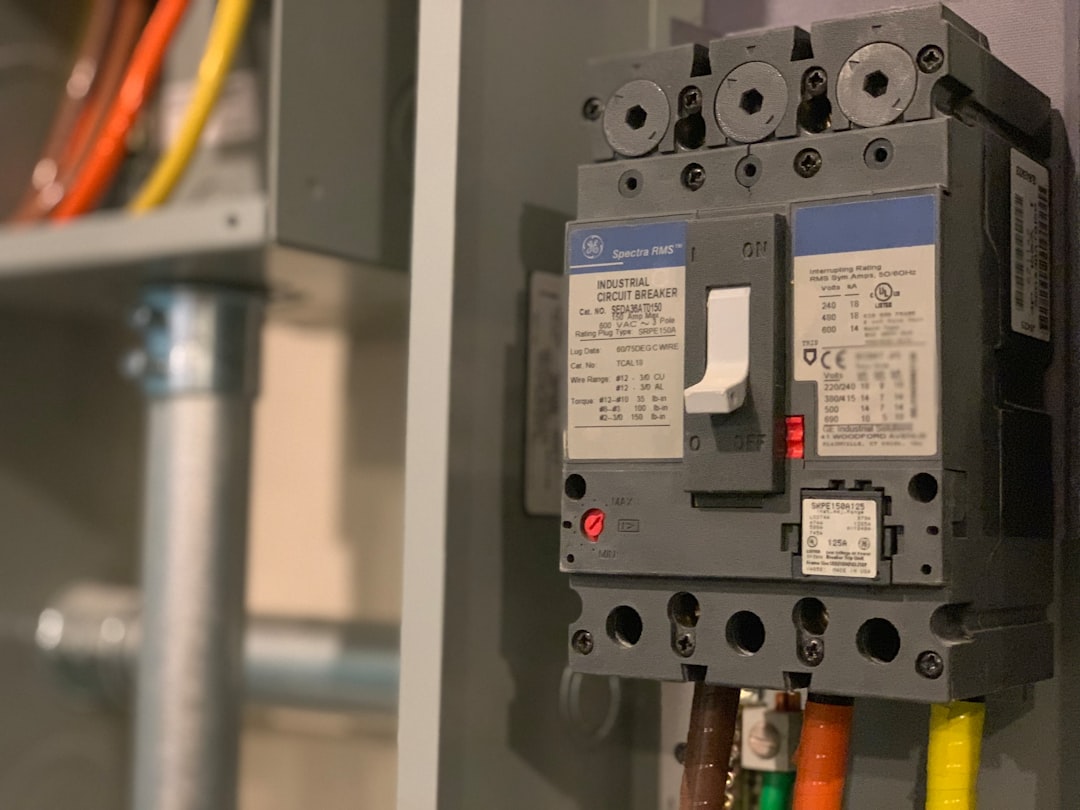
Start your post-outage inspection at the main electrical panel, as this is where most surge-related damage becomes apparent.
- Visual Inspection: Look for any tripped breakers, burn marks, or unusual odors
- Reset Tripped Breakers: Turn them fully off, then back on - never force a breaker that won't stay on
- Check GFCI and AFCI Breakers: These sensitive breakers often trip during power restoration
- Test Main Breaker: Ensure it's firmly in the "ON" position
Warning Signs to Watch For
If you notice any sparking, burning smells, or breakers that won't stay reset, stop immediately and contact a professional electrician. These are signs of serious electrical damage.
Step 2: Test Critical Safety Devices
Power surges can damage safety devices, leaving your home vulnerable even after power restoration.
GFCI Outlets Testing Procedure
- Locate all GFCI outlets (typically in bathrooms, kitchens, garages, and outdoor areas)
- Press the "TEST" button - the outlet should stop providing power
- Press the "RESET" button - power should be restored
- If the outlet doesn't respond properly, it may need replacement
Smoke and Carbon Monoxide Detectors
These devices often experience issues after power outages, especially hardwired units with battery backup.
- Test all smoke detectors using the test button
- Replace batteries in battery-powered units
- Check that hardwired units are receiving power
- Listen for chirping sounds indicating low battery or malfunction
Step 3: Systematic Room-by-Room Inspection
Work through your home methodically, checking each room for electrical issues that may have developed during the outage.
Kitchen and Bathroom Priority Areas
Why these areas first? These rooms have the most electrical safety devices and are most vulnerable to water-related electrical hazards.
- Test all outlets with a simple plug-in device
- Check that exhaust fans operate properly
- Verify garbage disposal and dishwasher function
- Ensure bathroom lighting circuits work correctly
Living Areas and Bedrooms
- Outlet Function: Test each outlet with a lamp or phone charger
- Light Switches: Verify all switches control their intended fixtures
- Ceiling Fans: Check both fan and light functions
- Electronic Devices: Inspect for any signs of surge damage
Step 4: Appliance and Electronics Assessment
Large appliances and sensitive electronics are particularly vulnerable to power surge damage during outage restoration.
High-Priority Appliance Checks
- HVAC System: Check that heating/cooling systems start and operate normally
- Water Heater: Verify hot water production (electric units may have tripped elements)
- Refrigerator/Freezer: Ensure proper cooling and check for error codes
- Washer/Dryer: Test basic functions and cycles
Pro Tip: Don't immediately assume an appliance is broken if it doesn't work. Many modern appliances have internal surge protectors that may need time to reset, or may require manual reset procedures.
Step 5: When to Stop and Call Professionals
Certain post-outage electrical issues require immediate professional attention and should never be DIY projects.
🚨 Stop Immediately If You Notice:
- Any burning smells or visible burn marks
- Sparking from outlets, switches, or the electrical panel
- Breakers that won't stay reset or feel hot to touch
- Lights that dim significantly when appliances turn on
- Tingling sensations from appliances or switches
- Multiple rooms or circuits not working properly
Prevention for Future Outages
Taking preventive measures can minimize electrical issues during future power outages and restoration events.
- Whole-House Surge Protector: Install at your main panel for comprehensive protection
- Unplug Sensitive Electronics: During extended outages, disconnect valuable devices
- Generator Safety: Ensure proper installation and operation of backup generators
- Regular Maintenance: Schedule annual electrical system inspections
Professional Electrical Restoration Services
While many post-outage electrical checks can be performed safely by homeowners, complex issues require professional expertise. Electrical problems that develop after power outages can be particularly dangerous because they often involve damaged protective devices or compromised safety systems.
DynamoElectric Inc specializes in post-outage electrical system restoration and safety inspections. Our licensed electricians can quickly identify surge damage, replace compromised safety devices, and ensure your home's electrical system is operating safely and efficiently. We understand the unique challenges that power outages create and have the experience to restore your electrical systems properly.
Don't risk your family's safety with potentially damaged electrical systems. Contact DynamoElectric Inc for a comprehensive post-outage electrical inspection and any necessary repairs. Our expert team will ensure your home is safe and your electrical systems are functioning optimally.
Tags
Written by
Mrs. Asia Hill
Author at DynamoGenAi
Related Articles
Home Electrical Voltage Problems: How to Test and Troubleshoot Power Quality Issues
DIY & Maintenance
Electrical Load Calculations: How to Prevent Overloaded Circuits Before They Trip
DIY & Maintenance
Power Outages in Single Rooms: How to Diagnose and Fix Partial Electrical Failures
DIY & Maintenance
Essential Tools Every Homeowner Needs for Basic Electrical Troubleshooting
DIY & Maintenance