Top 10 Warning Signs Your House Needs Complete Rewiring: A Technical Assessment Guide
Outdated electrical systems pose serious safety risks. Learn the critical warning signs that indicate your home requires complete rewiring and when to call professionals.
Super Admin
Author
Introduction: Why Electrical System Assessment Matters
Electrical systems are the backbone of modern homes, yet many homeowners overlook the critical importance of maintaining and upgrading their wiring infrastructure. Houses built before 1970 often contain outdated electrical systems that cannot handle today's power demands and may pose significant safety hazards. Complete house rewiring is a substantial investment, but recognizing the warning signs early can prevent catastrophic failures, electrical fires, and costly emergency repairs.
This technical guide outlines the ten most critical indicators that your home's electrical system requires complete rewiring. Understanding these warning signs will help you make informed decisions about your electrical infrastructure and ensure your family's safety.
1. Frequent Circuit Breaker Trips and Blown Fuses
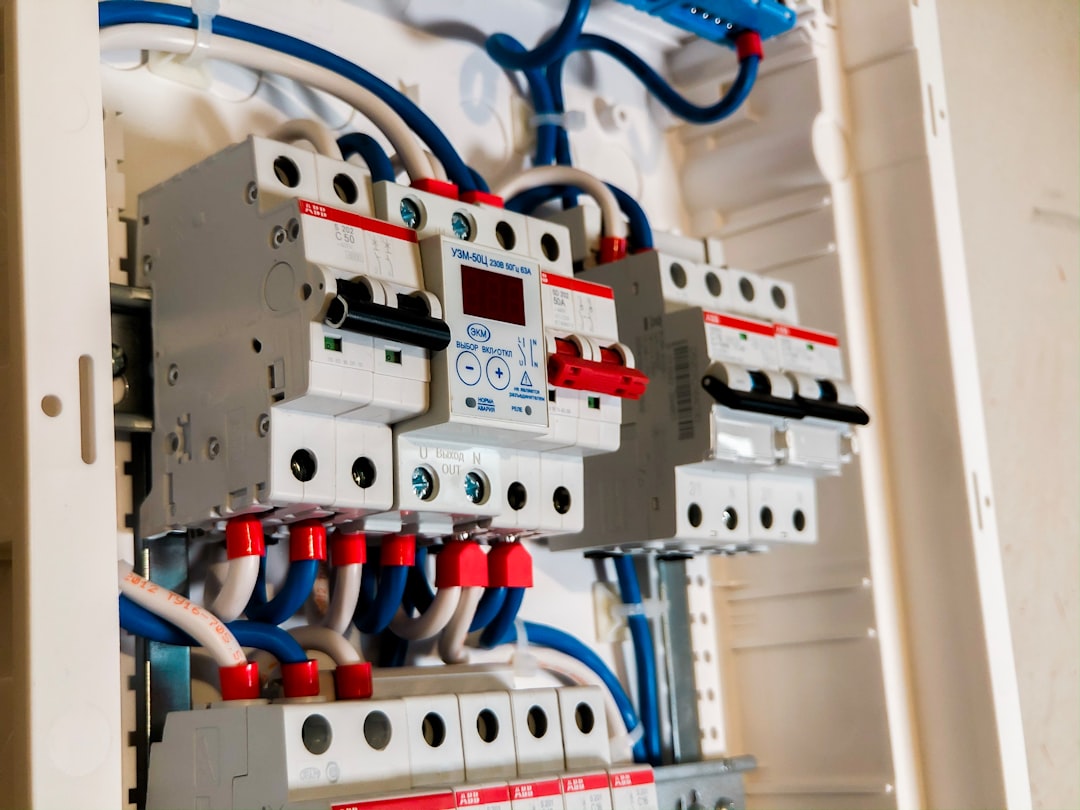
When circuit breakers trip repeatedly or fuses blow frequently, it indicates your electrical system is overloaded or experiencing fault conditions. Modern homes require 200-amp electrical panels to handle contemporary power loads, while older homes often have 60-amp or 100-amp panels with insufficient capacity.
If you're experiencing trips when running multiple appliances simultaneously, or if individual circuits cannot handle normal loads without tripping, your wiring system likely needs upgrading. This is particularly common in homes with aluminum wiring or undersized conductors that cannot safely carry the required amperage.
2. Aluminum Wiring Installation
Homes built between 1965 and 1973 frequently contain aluminum branch circuit wiring, which presents significant safety concerns. Aluminum wiring expands and contracts more than copper, creating loose connections at outlets, switches, and junction boxes. These loose connections generate heat and can cause electrical fires.
Aluminum wiring requires special COPALUM connectors or complete replacement with copper conductors. The Consumer Product Safety Commission estimates that homes with aluminum wiring are 55 times more likely to have fire hazard conditions than homes with copper wiring.
3. Knob-and-Tube Wiring System
Knob-and-tube wiring, common in homes built before 1950, lacks modern safety features including equipment grounding conductors and proper insulation. This system uses single conductors run through ceramic knobs and tubes, with no ground wire for fault protection.
Insurance companies often refuse coverage for homes with active knob-and-tube wiring due to fire risks. The system cannot safely support modern electrical loads and lacks GFCI protection required by current electrical codes. Complete rewiring is typically the only viable solution.
4. Persistent Burning Odors from Outlets or Panels
Electrical burning odors indicate dangerous arcing conditions, overheated conductors, or deteriorating insulation. These conditions can rapidly escalate to electrical fires. The smell of burning plastic, rubber, or a distinctive "ozone" odor near electrical components requires immediate professional assessment.
Overheated wire insulation releases toxic compounds and loses its protective properties, creating shock and fire hazards. If burning odors persist after turning off circuits, emergency electrical service is required to prevent potential fire conditions.
5. Scorch Marks and Discoloration Around Outlets
Heat discoloration, scorch marks, or brown staining around outlets and switch plates indicate dangerous arcing or overheating conditions. These visual indicators suggest loose connections, overloaded circuits, or deteriorating conductors within the electrical system.
Arcing generates temperatures exceeding 3,000°F, sufficient to ignite surrounding materials. Visible heat damage indicates the electrical system has already experienced dangerous fault conditions that could lead to electrical fires without immediate correction.
6. Inadequate Electrical Panel Capacity
Modern homes require electrical panels with sufficient capacity to handle contemporary power demands. Panels rated below 200 amps typically cannot support modern appliances, HVAC systems, electric vehicle charging, and standard household loads simultaneously.
Federal Pacific Electric (FPE) and Zinsco panels, common in homes built between 1950-1990, have documented safety defects and should be replaced immediately. These panels may fail to trip during overload conditions, creating fire hazards.
7. Lack of GFCI Protection in Required Areas
Ground Fault Circuit Interrupter (GFCI) protection is required by the National Electrical Code in bathrooms, kitchens, garages, basements, and outdoor areas. Homes without GFCI protection in these locations require electrical system upgrades to meet current safety standards.
GFCI devices detect ground faults and interrupt power within 1/40th of a second, preventing electrocution. Retrofitting GFCI protection often reveals underlying wiring defects that require complete circuit rewiring.
8. Insufficient Grounding System
Proper electrical grounding provides fault current return paths and protects against electrical shock. Homes with two-prong outlets throughout indicate lack of equipment grounding conductors in branch circuits.
Modern electrical systems require continuous grounding from the service entrance to every outlet and fixture. Upgrading to three-wire circuits with proper grounding typically necessitates complete rewiring, as retrofitting ground conductors in existing circuits is often impractical.
9. Flickering Lights and Voltage Fluctuations
Persistent light flickering, especially when large appliances cycle on, indicates voltage drop conditions caused by undersized conductors, loose connections, or overloaded circuits. Voltage fluctuations can damage sensitive electronic equipment and indicate electrical system inadequacies.
Proper conductor sizing maintains voltage stability under load conditions. Homes experiencing significant voltage drop typically require rewiring with appropriately sized conductors to handle modern electrical demands.
10. Extension Cord Dependency
Relying on extension cords for permanent electrical connections indicates insufficient outlet placement and circuit capacity. Extension cords are designed for temporary use and create fire hazards when used as permanent wiring solutions.
Modern electrical codes require outlets spaced no more than 12 feet apart along walls, with dedicated circuits for major appliances. Homes requiring extensive extension cord use need additional circuits and outlets, often requiring complete rewiring to meet current electrical standards.
Professional Assessment and Next Steps
If your home exhibits multiple warning signs from this list, professional electrical assessment is essential. Licensed electricians can perform comprehensive electrical inspections, load calculations, and safety evaluations to determine the scope of required upgrades.
Complete house rewiring is a significant investment that enhances safety, increases property value, and provides electrical infrastructure capable of handling modern power demands. Contact qualified electrical professionals to assess your home's electrical system and develop an appropriate upgrade plan.
Tags
Written by
Super Admin
Author at DynamoGenAi
Related Articles
Electrical Burning Smell in Your Home: How to Identify the Source and Stay Safe
DIY & Maintenance
Light Switch Not Working: Complete Diagnosis and Repair Guide for Homeowners
DIY & Maintenance
Dimmer Switch Problems: How to Fix Buzzing, Flickering, and Heat Issues
DIY & Maintenance
Electrical Panel Hot to Touch: Warning Signs and Safe Troubleshooting Steps
DIY & Maintenance