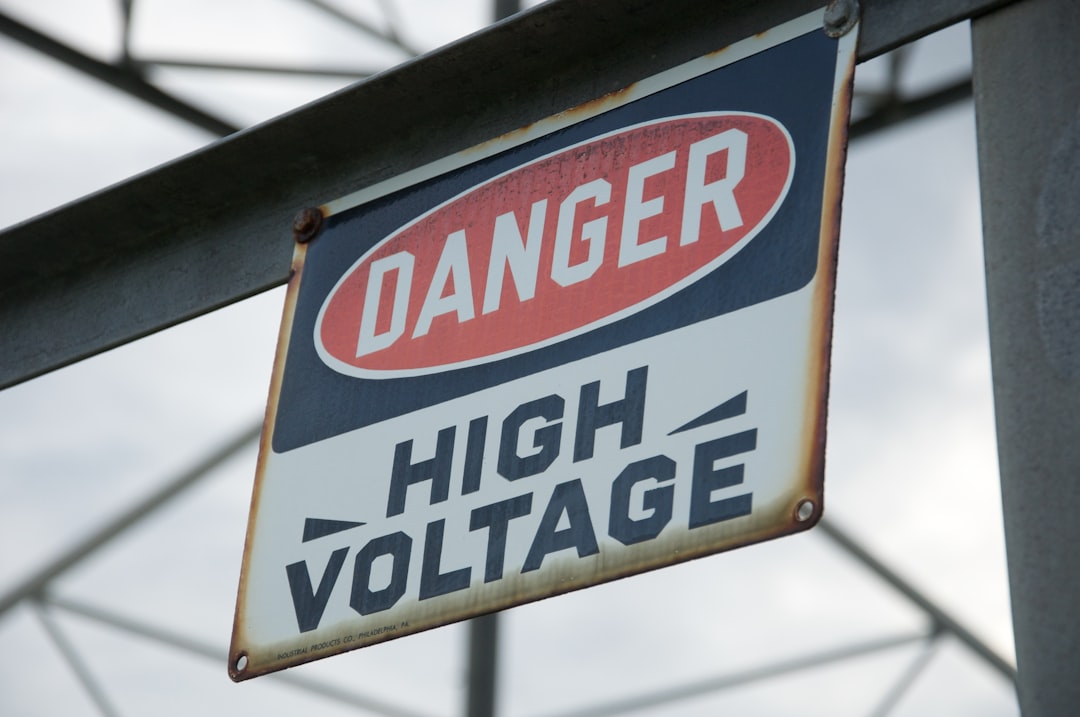
Intermittent Electrical Problems: How to Track Down Elusive Wiring Issues That Come and Go
Learn professional techniques to diagnose those frustrating electrical problems that appear randomly and disappear just as mysteriously, causing headaches for homeowners everywhere.
Mrs. Asia Hill
Author
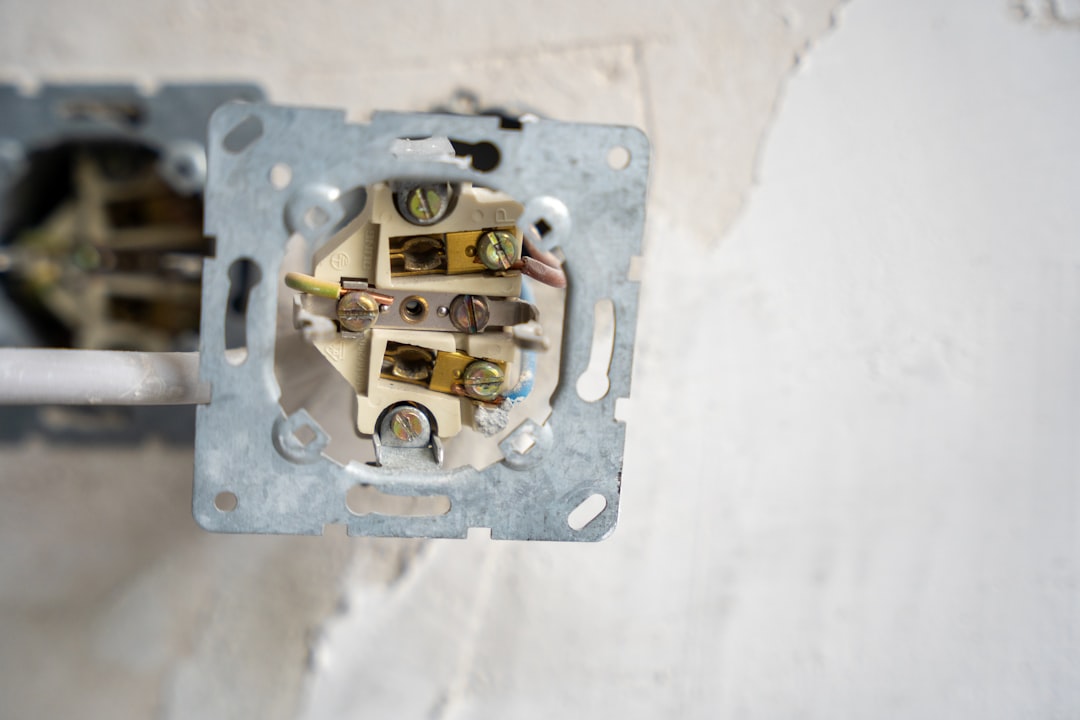
Understanding Intermittent Electrical Issues
Nothing is more frustrating than an electrical problem that works fine when you're showing it to someone else. Intermittent electrical issues are among the most challenging problems homeowners face because they're unpredictable, hard to reproduce, and often dismissed as "quirky" house behavior. However, these elusive problems can indicate serious underlying issues that require immediate attention.
Unlike consistent electrical failures, intermittent problems occur sporadically due to loose connections, temperature fluctuations, moisture intrusion, or deteriorating components that make contact only under specific conditions.
Common Types of Intermittent Electrical Problems
Temperature-Related Issues
- Thermal expansion: Connections loosen as metals expand and contract
- Heat-sensitive components: Switches and outlets that fail when warm
- Seasonal problems: Issues that appear only in summer or winter
- Appliance cycling: Problems that coincide with heating/cooling system operation
Moisture-Induced Failures
- Humidity fluctuations: Connections that fail during high humidity
- Condensation issues: Problems in basements, attics, or poorly ventilated areas
- Weather-related failures: Issues that appear during rain or snow
- Seasonal moisture: Spring thaw or summer humidity effects
Step-by-Step Troubleshooting Process
Step 1: Document the Pattern
Create a detailed log of when problems occur. Note:
- Time of day
- Weather conditions
- What appliances were running
- Temperature (indoor and outdoor)
- Duration of the problem
- What made it stop
Step 2: Environmental Testing
Try to recreate the conditions when problems occur:
- Temperature test: Use a hair dryer to warm suspicious connections
- Vibration test: Gently tap switches, outlets, and junction boxes
- Load test: Turn on multiple appliances to simulate high-demand conditions
- Moisture test: Check performance during humid conditions
Step 3: Visual Inspection Techniques
"Look for signs of arcing, such as black marks around outlets, switches, or panel connections. These indicate intermittent contact that could lead to fire hazards."
Examine these areas carefully:
- 🔍 Outlet faces: Look for discoloration, melting, or burn marks
- 🔍 Switch plates: Check for warmth or loose mounting
- 🔍 Panel connections: Look for loose or corroded wire nuts
- 🔍 Junction boxes: Check for moisture or loose connections
Advanced Diagnostic Techniques
Using a Multimeter for Intermittent Issues
Set your multimeter to continuity mode and test connections while manipulating wires:
- Test wire connections while gently moving them
- Check for voltage drops under load conditions
- Monitor connections during temperature changes
- Test ground connections for consistency
Thermal Imaging for Hidden Problems
If available, thermal imaging cameras can reveal:
- Hot spots indicating loose connections
- Overloaded circuits before they fail
- Insulation problems in walls
- Panel issues not visible to the naked eye
Safety Precautions for Intermittent Issues
⚠️ Critical Safety Warning
Intermittent electrical problems can be extremely dangerous because they may indicate loose connections that could cause fires or electrocution. Never ignore these issues, even if they seem minor.
When to Stop DIY Troubleshooting
- Any signs of arcing or burning smells
- Problems involving the main electrical panel
- Issues with 240V circuits (dryers, stoves, AC units)
- Wet locations or potential water contact
- If you're uncomfortable with any aspect of the diagnosis
Preventive Measures
Regular Maintenance Schedule
Prevent intermittent issues with these routine checks:
- Monthly: Test all GFCI outlets and circuit breakers
- Quarterly: Check for loose outlet and switch covers
- Annually: Inspect visible wiring for damage or wear
- Seasonally: Check outdoor electrical components
Environmental Controls
- Maintain consistent indoor humidity (30-50%)
- Ensure proper ventilation in electrical areas
- Seal entry points where moisture could enter
- Install surge protectors for sensitive equipment
Professional Solutions
While homeowners can perform basic troubleshooting, intermittent electrical problems often require professional expertise to resolve safely and permanently. Professional electricians have specialized equipment like thermal imaging cameras, advanced multimeters, and oscilloscopes that can detect problems invisible to basic diagnostic tools.
Professional services include:
- Comprehensive electrical system analysis
- Thermal imaging inspections
- Load testing and power quality analysis
- Preventive maintenance programs
- Code compliance updates
Don't Let Intermittent Issues Become Major Problems
Intermittent electrical problems require professional diagnosis to prevent potential safety hazards and costly damage.
Contact DynamoElectric Inc today for expert troubleshooting and reliable solutions. Our experienced technicians have the advanced tools and expertise to track down even the most elusive electrical issues and provide permanent fixes that keep your home safe.
Professional electrical diagnosis • Advanced diagnostic equipment • Guaranteed solutions
Tags
Written by
Mrs. Asia Hill
Author at DynamoGenAi
Related Articles
Electrical Troubleshooting Flowchart: A Systematic Approach to Home Electrical Diagnostics
DIY & Maintenance
Smart Home Device Electrical Failures: Troubleshooting WiFi Switches, Smart Outlets, and Connected Systems
DIY & Maintenance
Electrical Troubleshooting for Older Homes: Addressing Vintage Wiring and Outdated Systems
DIY & Maintenance
Electrical Issues After Power Outages: How to Safely Restore Your Home's Systems
DIY & Maintenance