
Electrical Troubleshooting Flowchart: A Systematic Approach to Home Electrical Diagnostics
Master the art of electrical problem-solving with a professional diagnostic flowchart that guides you through systematic troubleshooting steps, helping you identify root causes efficiently and safely.
Mrs. Asia Hill
Author
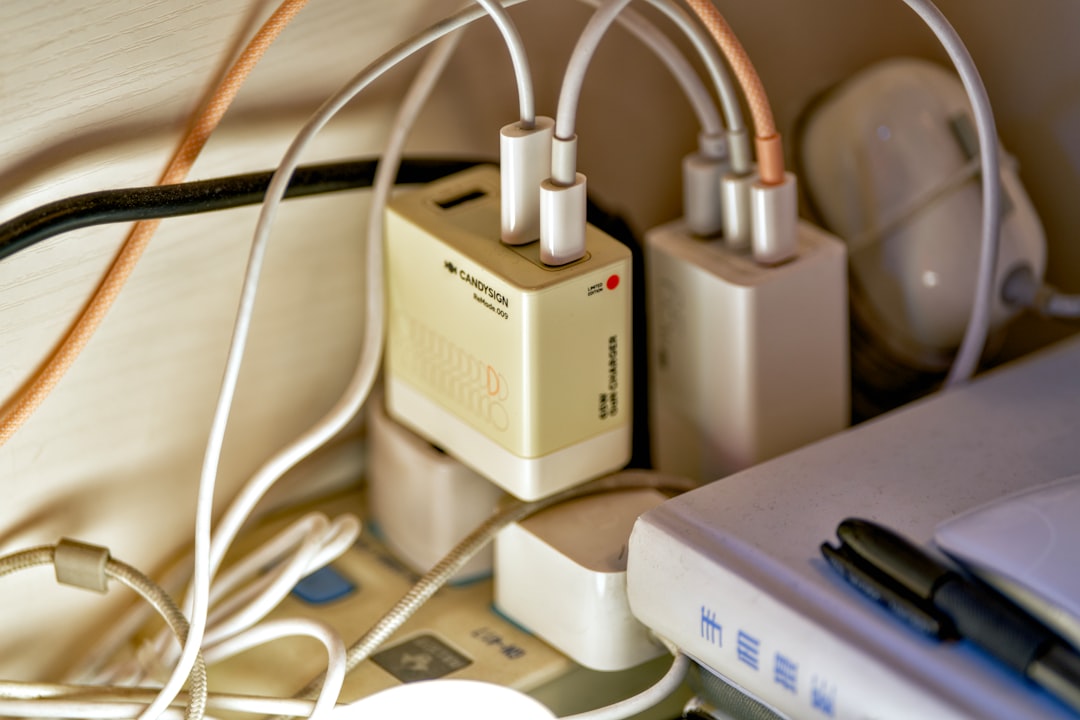
Electrical Troubleshooting Flowchart
A Systematic Approach to Home Electrical Diagnostics
When electrical problems strike your home, the key to efficient resolution lies in following a systematic diagnostic approach. Rather than randomly checking components, professional electricians use structured flowcharts to identify issues quickly and safely. This comprehensive guide will teach you the same methodical troubleshooting process used by professionals.
The Master Electrical Troubleshooting Flowchart
Step 1: Initial Safety Assessment
- Check for immediate hazards: burning smells, sparks, hot surfaces
- Turn off power at the main breaker if any danger is present
- Gather safety equipment: non-contact voltage tester, flashlight, insulated tools
- Document the problem: when it started, what was happening, affected areas
Step 2: Problem Classification Decision Tree
Complete Power Loss
No power to entire home or large sections
Partial Power Issues
Some circuits working, others not
Complete Power Loss Flowchart
- Check main breaker position
- If tripped → Reset and monitor
- If normal → Contact utility company
- Verify utility power at meter
- No power → Utility issue, call provider
- Power present → Internal main disconnect problem
- Inspect main panel connections
- Look for loose wires, corrosion, or damage
- Check for proper grounding connections
Partial Power Issues Diagnostic Path
Circuit-by-Circuit Analysis
- Map affected areas: Which rooms/outlets are dead?
- Check corresponding breakers: Look for tripped positions
- Test GFCI outlets: Press test/reset buttons
- Identify circuit patterns: Are related areas affected together?
Advanced Diagnostic Techniques
The Process of Elimination Method
"When you have eliminated the impossible, whatever remains, however improbable, must be the truth." - This principle applies perfectly to electrical troubleshooting.
Systematic Elimination Steps:
- Start with the most likely causes (tripped breakers, GFCI resets)
- Work from the panel outward to the affected devices
- Test each connection point along the circuit path
- Use voltage readings to confirm power presence at each stage
- Document findings to avoid repeating tests
Load Testing and Circuit Analysis
Understanding electrical loads helps identify overloaded circuits and intermittent problems:
- Calculate total circuit load: Add up all device wattages
- Compare to circuit capacity: 15A = 1,800W, 20A = 2,400W
- Check for inductive loads: Motors can cause voltage drops
- Monitor voltage under load: Should stay above 110V
Professional Testing Sequence
The Five-Point Electrical Test
1. Voltage Test
Verify proper voltage at source
2. Continuity Test
Check wire integrity
3. Ground Test
Verify proper grounding
4. Load Test
Test under actual load conditions
5. Insulation Test
Check wire insulation integrity
When to Stop and Call Professionals
⚠️ Stop Immediately If You Encounter:
- Any burning smells or visible damage
- Electrical panels that are hot to touch
- Water damage near electrical components
- Aluminum wiring or knob-and-tube systems
- Multiple circuit failures simultaneously
- Any situation where you feel uncertain about safety
Documentation and Follow-Up
Professional troubleshooting includes thorough documentation:
Create a Troubleshooting Log
- Date and time of problem occurrence
- Symptoms observed and conditions present
- Tests performed and results obtained
- Solutions attempted and their effectiveness
- Final resolution and preventive measures taken
Conclusion: When Systematic Approach Meets Professional Expertise
While this systematic flowchart approach can help you diagnose many common electrical issues safely, some problems require the advanced training, specialized equipment, and licensing that only professional electricians possess. Complex issues involving main panels, service entrances, or multiple circuit failures often indicate underlying problems that need expert evaluation.
Trust DynamoElectric Inc for Professional Electrical Diagnostics
When your systematic troubleshooting reveals complex issues or safety concerns, DynamoElectric Inc's certified electricians are equipped with advanced diagnostic tools and years of experience to solve even the most challenging electrical problems. Our systematic approach combined with professional expertise ensures accurate diagnosis and safe, lasting repairs.
Don't let electrical issues compromise your home's safety. Contact DynamoElectric Inc today for professional electrical troubleshooting and peace of mind!
Tags
Written by
Mrs. Asia Hill
Author at DynamoGenAi
Related Articles
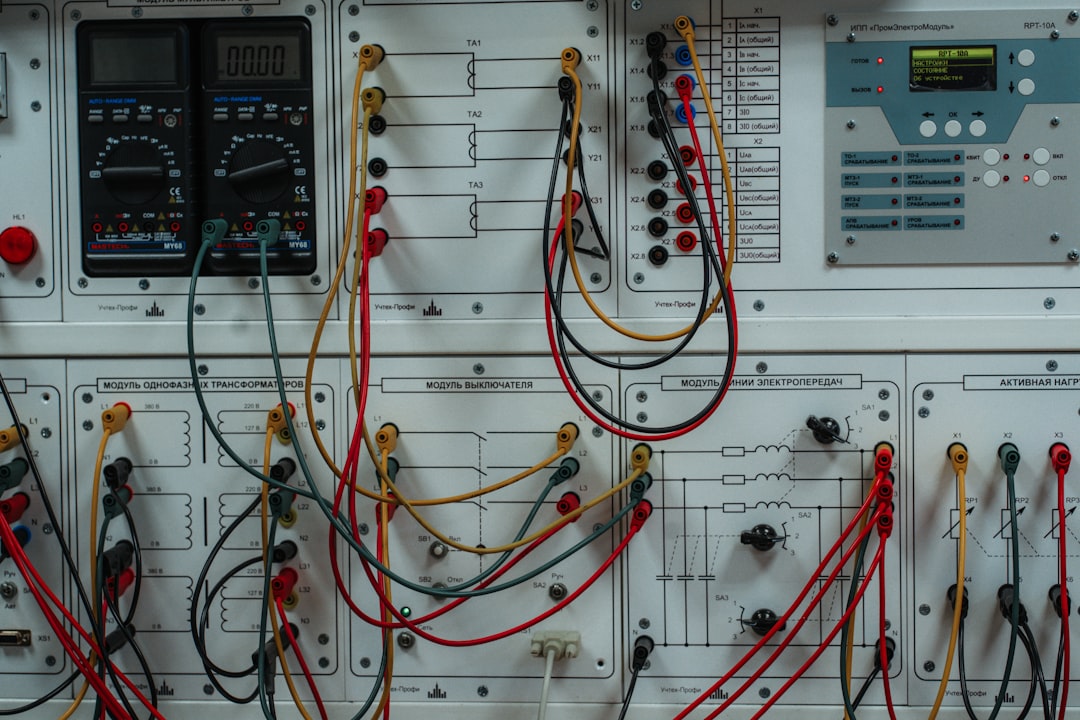
Electrical Load Calculations: How to Prevent Overloaded Circuits Before They Trip
DIY & Maintenance
Home Electrical Voltage Problems: How to Test and Troubleshoot Power Quality Issues
DIY & Maintenance
Electrical Issues After Power Outages: How to Safely Restore Your Home's Systems
DIY & Maintenance
Electrical Troubleshooting for Older Homes: Addressing Vintage Wiring and Outdated Systems
DIY & Maintenance
Comments (1)
Hi Aram
Protected by reCAPTCHA. Privacy & Terms.