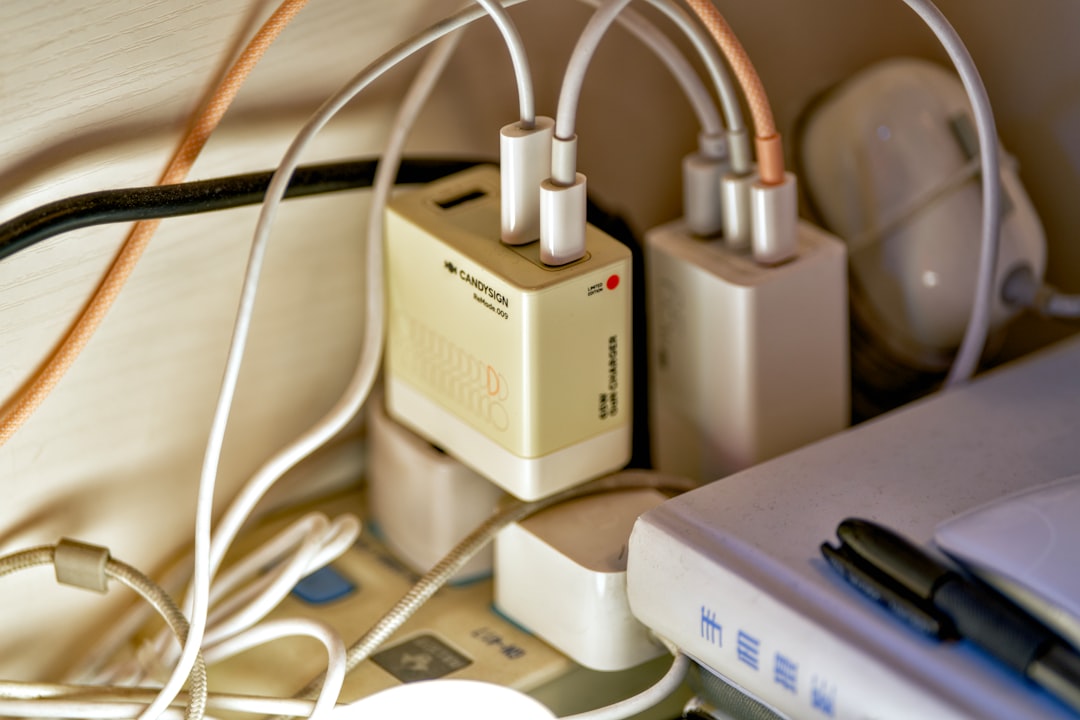
How to Check for Electrical Issues in Your Garage: A Homeowner's Safety Guide
Learn the essential steps to identify electrical problems in your garage before they become dangerous. This comprehensive guide covers warning signs, DIY inspection tips, and when to call professionals.
Super Admin
Author
Why Garage Electrical Inspections Are Critical
Your garage is often the most overlooked area when it comes to electrical safety, yet it houses some of your home's most demanding electrical needs. From powering tools and electric vehicle chargers to providing lighting and climate control, garage electrical systems work hard. Regular inspections can prevent fires, electrical shocks, and costly repairs while keeping your family safe.
Warning Signs of Electrical Problems
Before diving into inspection steps, recognize these red flags that indicate immediate electrical issues:
- Flickering or dimming lights when you plug in appliances
- Burning smells or unusual odors near outlets or panels
- Warm or hot outlets and switch plates
- Frequent circuit breaker trips or blown fuses
- Sparks when plugging in or unplugging devices
- Buzzing or crackling sounds from electrical components
- Scorch marks around outlets or electrical panels
Step-by-Step Electrical Inspection Process
Step 1: Turn Off Power and Gather Tools
Safety first! Turn off the main power to your garage at the electrical panel. Gather these essential tools:
- Flashlight or headlamp
- Non-contact voltage tester
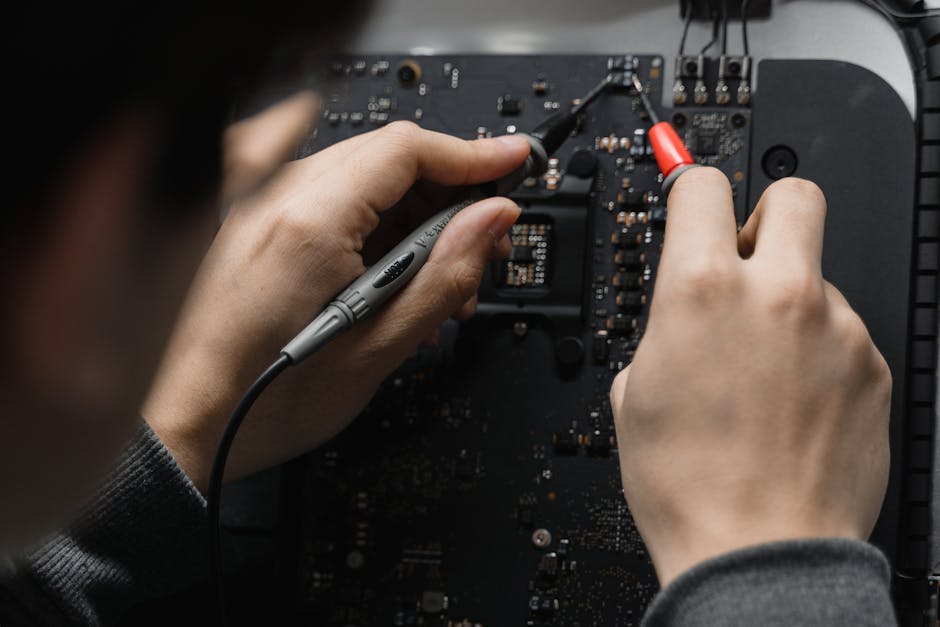
- Multimeter (if you're experienced)
- Screwdriver set
- GFCI outlet tester
Step 2: Inspect the Electrical Panel
Start with your garage's electrical panel or subpanel. Look for:
- Rust or corrosion on the panel box
- Loose or exposed wires inside the panel
- Burn marks around breakers
- Proper labeling of all circuits
- Outdated breakers or fuse boxes
Safety Warning: Never touch the inside of an electrical panel unless you're a licensed electrician. If you notice any issues here, contact DynamoElectric Inc immediately at 310-303-2233.
Step 3: Check All Outlets and Switches
Systematically inspect every electrical outlet and switch:
- Visual inspection: Look for cracks, burn marks, or loose faceplates
- GFCI testing: Press the "test" and "reset" buttons on all GFCI outlets monthly
- Outlet spacing: Ensure outlets are properly spaced (no more than 6 feet apart in garages)
- Ground fault protection: Verify all 120-volt outlets have GFCI protection
- Switch functionality: Test all light switches for proper operation
Step 4: Examine Wiring and Conduits
Inspect visible wiring throughout your garage:
- Wire condition: Look for frayed, cracked, or damaged insulation
- Proper routing: Wires should be secured and protected from damage
- Extension cord usage: Identify any permanent extension cord installations (code violation)
- Conduit integrity: Check metal or PVC conduits for damage or loose connections
Step 5: Test Lighting Systems
Evaluate your garage lighting setup:
- Fixture mounting: Ensure all fixtures are securely attached
- Bulb compatibility: Verify correct wattage ratings
- Switch control: Test all lighting controls and timers
- Emergency lighting: Check battery backup systems if installed
Step 6: Assess High-Power Equipment Connections
For garages with special equipment, inspect:
- EV charging stations: Look for proper installation and dedicated circuits
- Workshop tools: Verify adequate power supply for heavy machinery
- Garage door openers: Check electrical connections and grounding
- Air compressors: Ensure proper circuit capacity and wiring
Common Garage Electrical Code Requirements
Modern garages must meet specific electrical codes:
- Minimum circuits: At least one 20-amp circuit for outlets
- GFCI protection: Required for all 120-volt outlets
- Dedicated circuits: Separate circuits for garage door openers and major appliances
- Proper grounding: All electrical components must be properly grounded
- Arc-fault protection: May be required in newer construction
When to Call Professional Electricians
While homeowners can perform basic visual inspections, certain situations require professional expertise:
- Any signs of electrical fire or severe damage
- Frequent circuit breaker trips or electrical surges
- Installing new circuits or upgrading electrical panels
- EV charging station installation or upgrades
- Code compliance issues or permit requirements
- Complex troubleshooting beyond basic visual inspection
Preventive Maintenance Tips
Keep your garage electrical system in top condition:
- Monthly GFCI testing: Test all ground fault outlets regularly
- Annual inspections: Schedule professional electrical inspections
- Keep it clean: Remove dust and debris from electrical components
- Avoid overloading: Don't exceed circuit capacity with multiple appliances
- Update as needed: Upgrade outdated electrical components proactively
Conclusion: Your Safety Comes First
Regular electrical inspections of your garage are essential for safety and functionality. While you can perform basic visual checks and testing, never hesitate to contact qualified professionals when you discover issues or feel uncertain about electrical safety. At DynamoElectric Inc, we specialize in residential electrical services throughout Los Angeles, helping homeowners maintain safe and efficient electrical systems.
Remember: electrical work can be dangerous. When in doubt, turn off the power and call the experts. Your safety is worth more than any DIY savings.

Tags
Written by
Super Admin
Author at DynamoGenAi
Related Articles
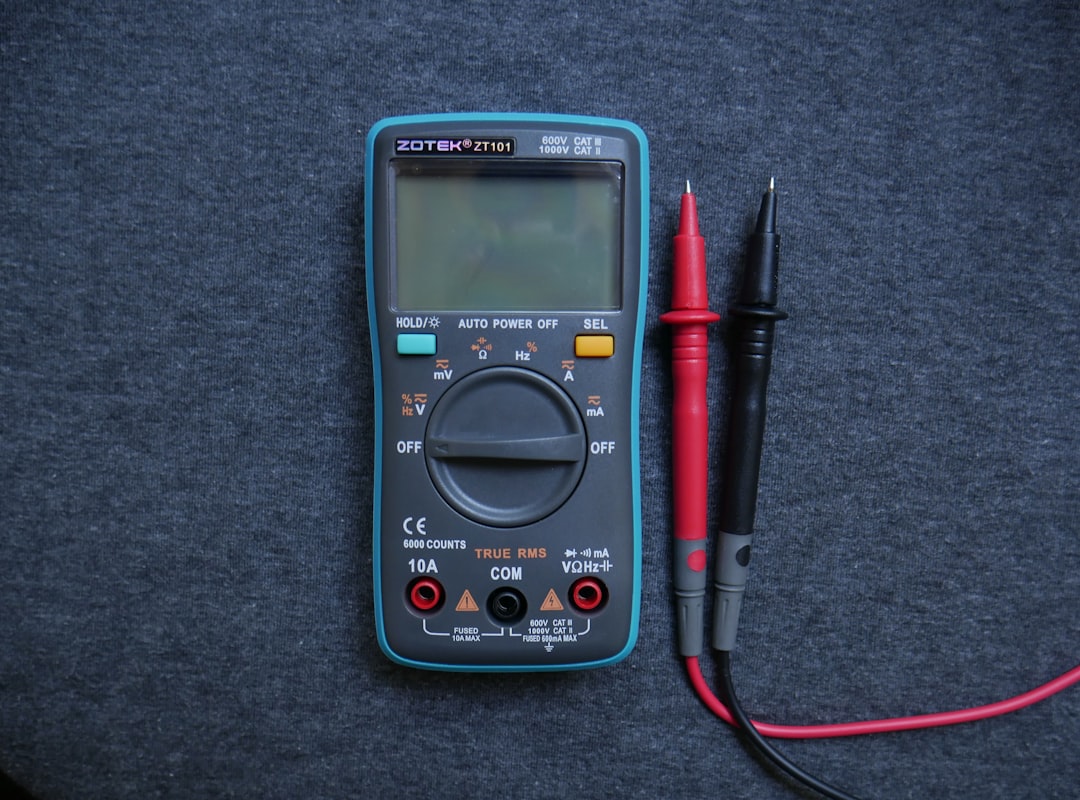
Home Electrical Testing Methods: Using Multimeters and Voltage Testers for Accurate Diagnostics
DIY & Maintenance
Home Electrical Troubleshooting: Understanding Your Circuit Map and Electrical Panel Layout
DIY & Maintenance
Electrical Troubleshooting by Room: A Complete Home-by-Home Diagnostic Guide
DIY & Maintenance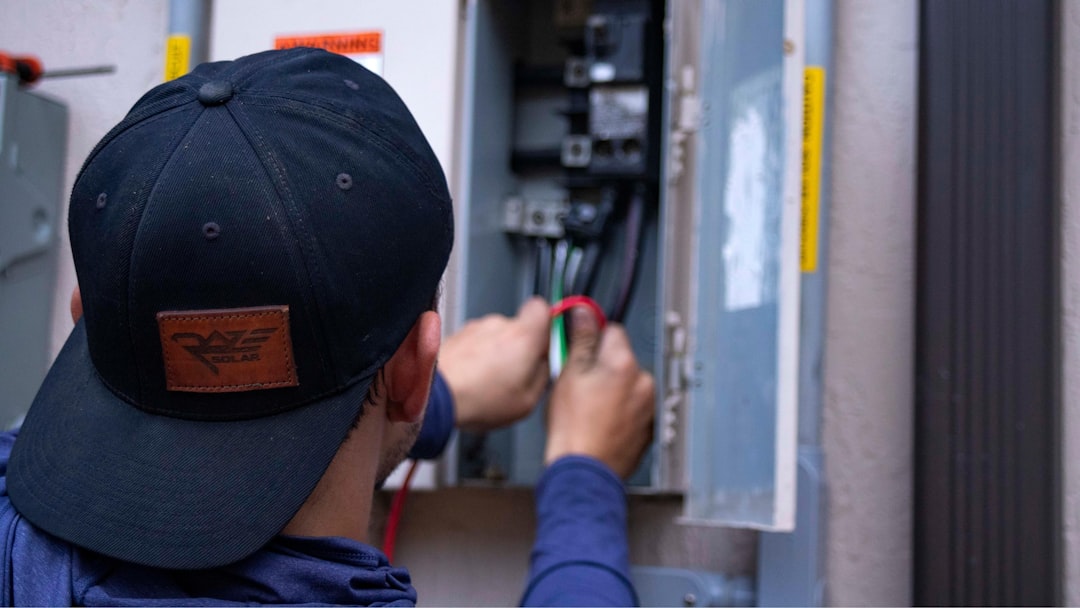
Electrical Troubleshooting Safety Protocols: How to Avoid Dangerous Mistakes During DIY Repairs
DIY & Maintenance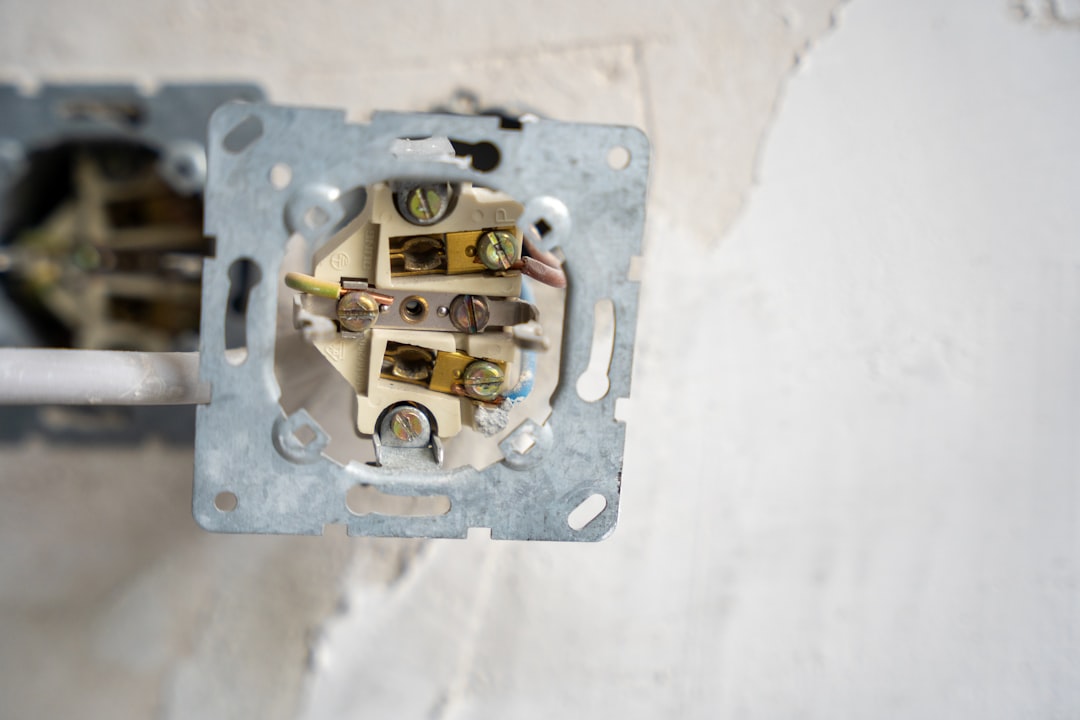
Intermittent Electrical Problems: How to Track Down Elusive Wiring Issues That Come and Go
DIY & Maintenance