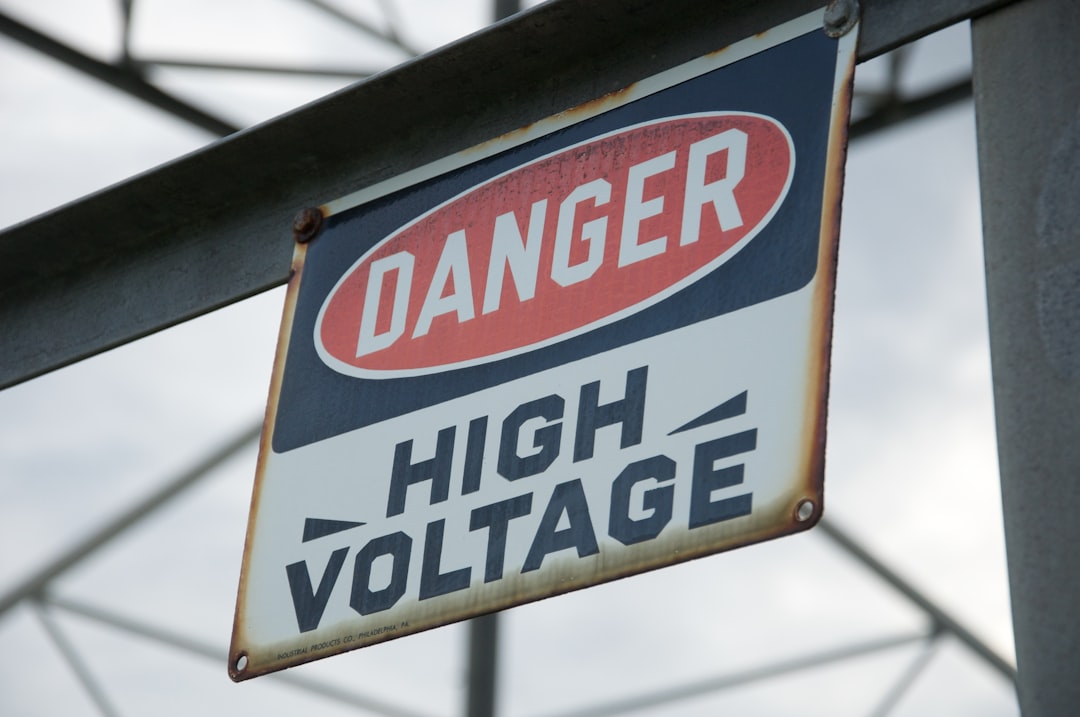
Electrical Troubleshooting Safety Protocols: How to Avoid Dangerous Mistakes During DIY Repairs
Learn essential safety protocols and common dangerous mistakes to avoid when troubleshooting home electrical issues. Protect yourself and your property with these critical safety guidelines.
Mrs. Asia Hill
Author
Why Electrical Safety Should Be Your First Priority
When electrical problems arise in your home, the temptation to grab some tools and start investigating can be overwhelming. However, electrical troubleshooting without proper safety protocols can turn a minor issue into a life-threatening situation. Every year, thousands of homeowners suffer electrical injuries that could have been prevented with the right safety knowledge.
Understanding what you can safely troubleshoot yourself versus when to call a professional isn't just about saving money—it's about protecting your life and your home from electrical fires, electrocution, and property damage.
Pre-Troubleshooting Safety Assessment
Before You Touch Anything: The Safety Checklist
- Turn off power at the main breaker - Never assume a switch or breaker has completely de-energized a circuit
- Use a non-contact voltage tester - Verify circuits are truly dead before proceeding
- Wear appropriate PPE - Safety glasses, insulated gloves, and rubber-soled shoes are essential
- Have a flashlight ready - Never work in poor lighting conditions
- Keep a fire extinguisher nearby - Class C extinguishers are designed for electrical fires
Environmental Safety Considerations
Your working environment plays a crucial role in electrical safety. Moisture is electricity's deadly companion—never attempt electrical troubleshooting in wet conditions or with wet hands. Ensure your workspace is dry, well-lit, and free from clutter that could cause you to lose your footing.
"The most dangerous electrical work is often the simplest—complacency kills more DIYers than complex repairs." - Master Electrician Safety Manual
The Most Dangerous DIY Mistakes to Avoid
Mistake #1: Working on Live Circuits
This is the #1 cause of DIY electrical injuries. Many homeowners believe they can work safely on "low voltage" circuits or assume a tripped breaker means no power is present. Always verify with a voltage tester, and remember that some circuits may have multiple power sources.
Mistake #2: Using the Wrong Tools
Regular screwdrivers, pliers, and wire strippers can conduct electricity. Insulated tools rated for electrical work are not optional—they're life-saving equipment. Look for tools rated for at least 1000V, even if you're working on 120V household circuits.
Mistake #3: Ignoring Warning Signs
- Burning smells or visible scorch marks
- Sparking or arcing when operating switches
- Warm or hot electrical panels, outlets, or switches
- Buzzing or crackling sounds from electrical components
- Any shock sensation when touching appliances or switches
Safe Troubleshooting Techniques Step-by-Step
The Professional's Approach to Safe Investigation
- Document the problem - Note when issues occur, which devices are affected, and any patterns
- Visual inspection first - Look for obvious damage, loose connections, or signs of overheating
- Test with power OFF - Check connections, measure continuity, and inspect components safely
- Systematic power restoration - Turn circuits back on one at a time to isolate issues
- Monitor and verify - Ensure repairs hold and no new issues develop
What Homeowners Can Safely Troubleshoot
There are several electrical issues that homeowners can safely investigate with proper precautions:
- Testing GFCI outlets using the test and reset buttons
- Checking circuit breakers for tripped positions
- Inspecting visible connections at outlets and switches (power OFF)
- Testing outlets with a plug-in tester to identify wiring issues
- Replacing standard light bulbs and fuses
When DIY Becomes Dangerous: Know Your Limits
Electrical Panel Work
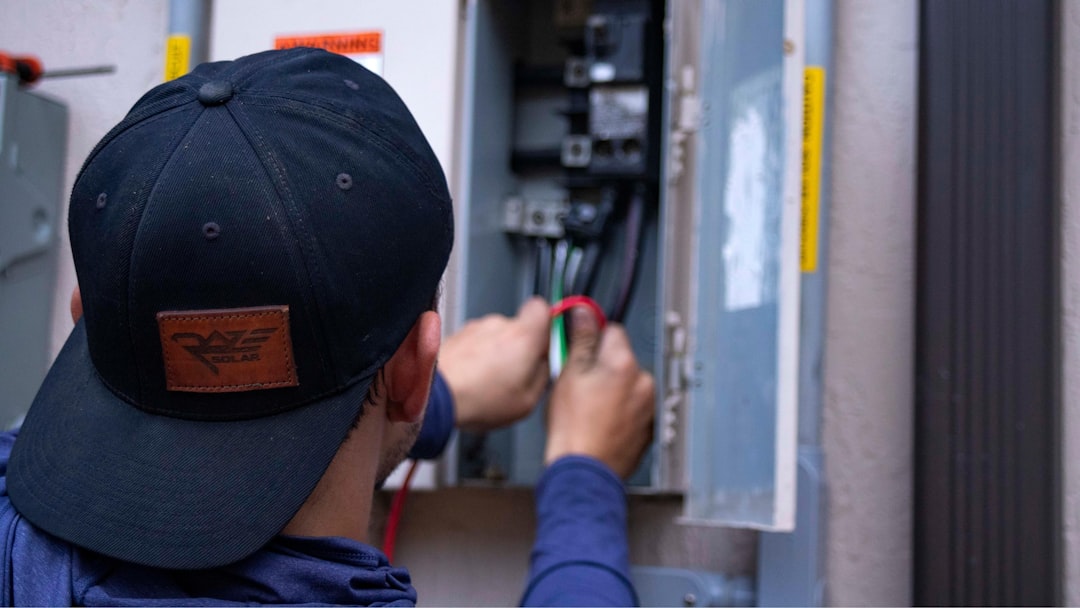
Never attempt to work inside your electrical panel beyond resetting breakers. Panel work involves exposure to potentially lethal voltages and requires specialized knowledge of electrical codes and safety procedures. Even licensed electricians approach panel work with extreme caution.
Major Appliance Troubleshooting
240V appliances like electric dryers, ranges, and HVAC systems operate at voltages that can be instantly fatal. These systems also involve complex wiring configurations that require professional diagnosis and repair.
Professional Tip: If your troubleshooting reveals the need for any new wiring, circuit additions, or code compliance work, it's time to call a licensed electrician. These modifications require permits and inspections in most areas.
Emergency Response: What to Do When Things Go Wrong
Electrical Fire Response
- Turn off power at the main breaker if safely accessible
- Use only Class C fire extinguishers on electrical fires
- Never use water on electrical fires
- Evacuate and call 911 if the fire cannot be quickly controlled
- Have the electrical system inspected before restoring power
Electrical Shock Response
If someone receives an electrical shock, do not touch them while they're still in contact with the electrical source. Turn off power at the breaker, use a non-conductive object to separate them from the source, and call emergency services immediately.
Professional Expertise When You Need It Most
While understanding basic electrical safety can help you identify and resolve simple issues, complex electrical problems require professional expertise. Attempting repairs beyond your skill level doesn't just risk injury—it can create hidden hazards that endanger your family for years to come.
At DynamoElectric Inc, our licensed electricians bring years of experience and comprehensive safety training to every job. We understand that electrical emergencies don't wait for convenient times, which is why we provide emergency services throughout Los Angeles and Greater LA.
Don't Risk Your Safety - Call the Professionals
When electrical troubleshooting reveals serious issues, trust DynamoElectric Inc's experienced team.
📞 Call (310) 303-2233
Professional electrical services • Emergency response • Free estimates • Licensed & insured
Remember, the cost of professional electrical work is always less than the cost of electrical accidents. When in doubt, prioritize safety and call DynamoElectric Inc for reliable, professional electrical troubleshooting and repair services.
Tags
Written by
Mrs. Asia Hill
Author at DynamoGenAi
Related Articles
Intermittent Electrical Problems: How to Track Down Elusive Wiring Issues That Come and Go
DIY & Maintenance
Electrical Troubleshooting Flowchart: A Systematic Approach to Home Electrical Diagnostics
DIY & Maintenance
Electrical Troubleshooting for Older Homes: Addressing Vintage Wiring and Outdated Systems
DIY & Maintenance
Electrical Issues After Power Outages: How to Safely Restore Your Home's Systems
DIY & Maintenance