Home Electrical Troubleshooting: Understanding Your Circuit Map and Electrical Panel Layout
Learn how to read your electrical panel, create a circuit map, and use this knowledge to quickly identify and resolve common household electrical problems like a pro.
Mrs. Asia Hill
Author
Why Understanding Your Electrical Panel is Crucial for Troubleshooting
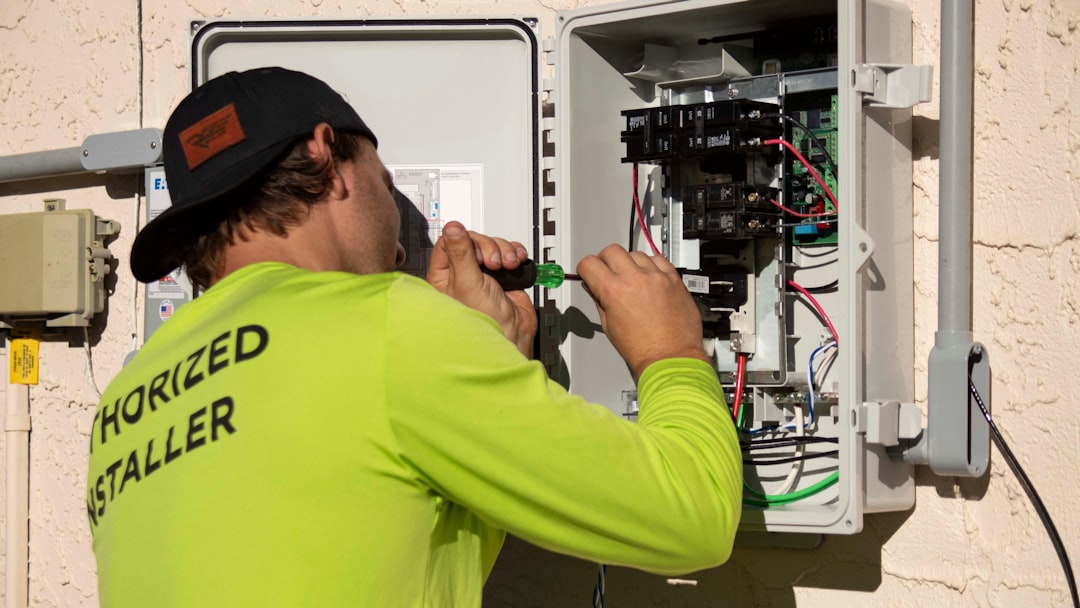
Your electrical panel is the nerve center of your home's electrical system, yet most homeowners treat it like a mysterious black box. Learning to read your panel and understand circuit mapping can transform you from a helpless observer into a confident troubleshooter when electrical issues arise.
When lights go out or outlets stop working, your first instinct might be to call an electrician immediately. However, understanding your electrical panel layout can help you quickly identify whether the problem is a simple tripped breaker or something more complex requiring professional attention.
Step 1: Creating Your Home Circuit Map
Before you can effectively troubleshoot electrical issues, you need to know which circuits control which areas of your home. Many panels have outdated or incorrect labels, making troubleshooting unnecessarily difficult.
Mapping Your Circuits Safely
- Turn off one breaker at a time and test outlets and lights throughout your home
- Use a circuit tester or plug-in radio to quickly identify dead outlets
- Label each circuit clearly with specific room names and outlet locations
- Note any shared circuits that serve multiple rooms or areas
- Identify dedicated circuits for major appliances like refrigerators, washers, and HVAC systems
"A properly labeled electrical panel can save you hours of troubleshooting time and help you communicate more effectively with electricians when professional help is needed."
Step 2: Reading Your Electrical Panel Like a Professional
Understanding the components and layout of your electrical panel is essential for effective troubleshooting. Modern panels contain several key elements that provide valuable diagnostic information.
Key Panel Components to Understand
- Main Breaker: Controls power to the entire home (usually 100-200 amps)
- Individual Circuit Breakers: Protect specific circuits (15-50 amps typically)
- GFCI Breakers: Provide ground fault protection for wet areas
- AFCI Breakers: Detect arc faults to prevent electrical fires
- Double-Pole Breakers: Supply 240V power for major appliances
Identifying Breaker Problems
Breakers can fail in several ways, and recognizing these failure modes helps you troubleshoot more effectively:
- Tripped Position: Handle in middle position between ON and OFF
- Loose Connections: breaker feels hot or shows burn marks
- Worn Contacts: breaker trips immediately when reset
- Overloaded Circuit: breaker trips repeatedly under normal loads
Step 3: Using Your Circuit Map for Systematic Troubleshooting
With your circuit map in hand, you can approach electrical problems systematically rather than randomly checking outlets and switches throughout your home.
The Circuit-Based Troubleshooting Method
When an electrical problem occurs, follow this logical sequence:
- Identify the affected circuit using your map
- Check the corresponding breaker for tripped position
- Test other devices on the same circuit
- Look for patterns in what's working and what isn't
- Reset breakers properly (fully OFF, then ON)
Common Circuit-Related Problems and Solutions
Problem: Multiple outlets dead in different rooms
Solution: Check if these outlets share a circuit or are protected by a single GFCI outlet that may have tripped.
Problem: Lights dim when appliances start
Solution: Verify if lights and appliances share a circuit; may indicate overloading or voltage drop issues.
Problem: Breaker won't stay reset
Solution: Indicates a short circuit or ground fault; requires professional diagnosis.
Step 4: Advanced Panel Diagnostics
Once you understand your circuit layout, you can perform more sophisticated troubleshooting using your electrical panel as a diagnostic tool.
Testing Circuit Integrity
- Load Testing: Turn on multiple devices on a circuit to test capacity
- Isolation Testing: Turn off all devices on a circuit to test for phantom loads
- Sequential Testing: Add loads one at a time to identify problematic devices
- Cross-Circuit Testing: Compare similar circuits to identify anomalies
When to Stop and Call a Professional
Stop immediately if you notice:
• Burning smells or visible damage
• Hot panels or breakers
• Sparking or arcing
• Repeated breaker failures
• Any uncertainty about safety
Maintaining Your Circuit Map and Panel Knowledge
Your electrical system isn't static. As you add devices, change fixtures, or modify your home, your circuit map needs updates to remain useful for troubleshooting.
- Update labels when you add new outlets or fixtures
- Note seasonal changes in electrical loads and circuit performance
- Document any professional modifications to your electrical system
- Review and test your map annually to ensure accuracy
Professional Electrical Services You Can Trust
While understanding your electrical panel empowers you to handle basic troubleshooting, complex electrical issues require professional expertise. DynamoElectric Inc provides comprehensive commercial electrical services throughout Los Angeles and Greater LA, bringing years of experience to every project.
Our skilled electricians can help you with advanced panel diagnostics, circuit modifications, safety inspections, and emergency electrical services. We offer free estimates and design consultation to ensure your electrical system meets your current and future needs.
Contact DynamoElectric Inc today at (310) 303-2233 for professional electrical services you can rely on. Located at 16008 Celtic Street, Los Angeles, CA 91344, we're your trusted partner for all electrical troubleshooting and repair needs.
Tags
Written by
Mrs. Asia Hill
Author at DynamoGenAi
Related Articles

Electrical Troubleshooting by Room: A Complete Home-by-Home Diagnostic Guide
DIY & Maintenance
Electrical Troubleshooting Safety Protocols: How to Avoid Dangerous Mistakes During DIY Repairs
DIY & Maintenance
Intermittent Electrical Problems: How to Track Down Elusive Wiring Issues That Come and Go
DIY & Maintenance
Electrical Troubleshooting Flowchart: A Systematic Approach to Home Electrical Diagnostics
DIY & Maintenance