GFCI Outlet Won't Reset: Complete Troubleshooting Guide for Homeowners
When your GFCI outlet won't reset, it's more than just an inconvenience—it's a safety issue. Learn the step-by-step process to diagnose and fix this common electrical problem safely.
Super Admin
Author
Understanding GFCI Outlets and Why They Won't Reset
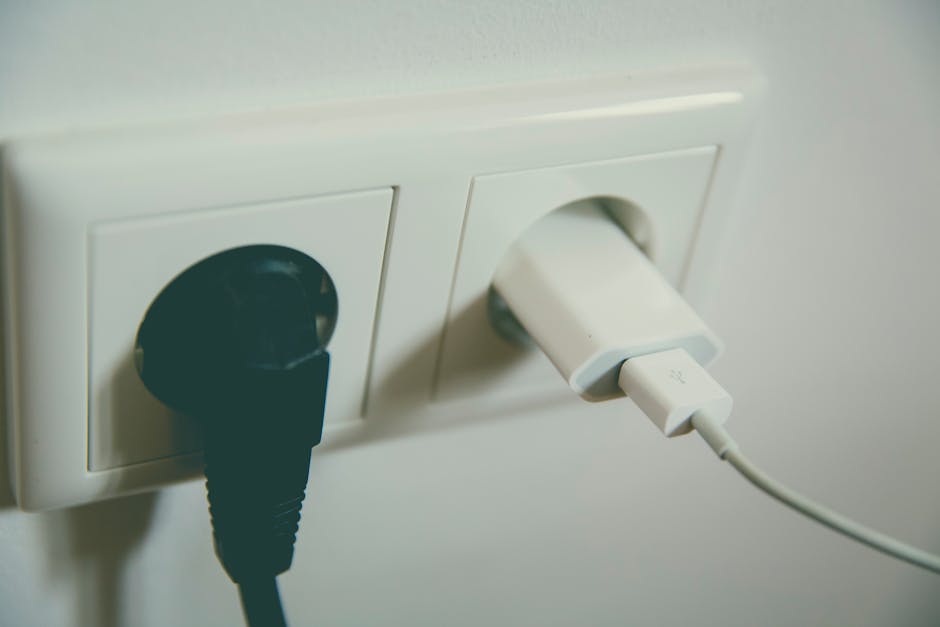
Ground Fault Circuit Interrupter (GFCI) outlets are essential safety devices designed to protect you from electrical shock. When these outlets refuse to reset, it can be frustrating and leave you without power in critical areas like bathrooms, kitchens, and outdoor spaces. Understanding why your GFCI won't reset and how to fix it can save you time and potentially prevent dangerous electrical situations.
GFCI outlets monitor the flow of electricity and automatically shut off power when they detect an imbalance that could indicate a ground fault. When the red "RESET" button won't stay pressed or immediately pops back out, there's usually an underlying issue that needs attention.
Common Reasons Why GFCI Outlets Won't Reset
Ground Fault Still Present
The most common reason a GFCI won't reset is that the ground fault condition still exists. This could be caused by:
- Moisture in the outlet or connected devices
- Damaged wiring downstream from the GFCI
- A faulty appliance plugged into the circuit
- Water infiltration in outdoor outlets
Faulty GFCI Outlet
GFCI outlets have a lifespan of 10-15 years and can fail over time. Internal components may wear out, making the outlet unable to reset properly even when no ground fault exists.
Wiring Issues
Incorrect wiring during installation or damage to the electrical connections can prevent proper GFCI operation. This includes reversed line and load connections or loose wire connections.
Step-by-Step Troubleshooting Process
Step 1: Ensure Safety First
Before beginning any electrical troubleshooting, turn off the circuit breaker that controls the GFCI outlet. Use a non-contact voltage tester to confirm the power is off before proceeding.
Step 2: Unplug All Devices
Remove all appliances and devices from the GFCI outlet and any outlets downstream that may be protected by it. Sometimes a faulty device can prevent the GFCI from resetting.
Step 3: Check for Moisture
Inspect the outlet for any signs of moisture or water damage. Pay special attention to:
- The outlet face and interior
- Surrounding wall areas
- Any connected junction boxes
- Outdoor outlets after rain or sprinkler use
If moisture is present, allow the area to dry completely before attempting to reset the GFCI.
Step 4: Test the GFCI Function
With power restored to the circuit, press the "RESET" button firmly. If it stays in, press the "TEST" button to ensure the GFCI trips properly, then reset again. A properly functioning GFCI should reset and test correctly.
Step 5: Check Downstream Outlets
Many GFCI outlets protect additional outlets downstream. Check all potentially connected outlets for:
- Visible damage or burning
- Loose or damaged wiring
- Signs of moisture or corrosion
Advanced Troubleshooting Techniques
Testing with a Multimeter
If basic troubleshooting doesn't resolve the issue, use a multimeter to check for proper voltage and continuity. With the power off, test the incoming line voltage and verify proper wiring connections.
Isolating the Problem Circuit
If the GFCI protects multiple outlets, disconnect the load wires temporarily and attempt to reset. If successful, the problem lies in the downstream wiring or outlets.
Safety Warning: Working with electrical wiring requires proper knowledge and tools. If you're uncomfortable with any step or encounter complex wiring issues, contact a licensed electrician immediately.
When to Replace Your GFCI Outlet
Consider replacing your GFCI outlet if:
- It's more than 10 years old and won't reset
- The outlet shows signs of physical damage or burning
- It trips frequently without an apparent cause
- The test and reset buttons don't function properly
- You notice a burning smell or discoloration
Prevention Tips for GFCI Longevity
Regular Testing
Test your GFCI outlets monthly by pressing the "TEST" button followed by the "RESET" button. This ensures they're functioning properly and helps identify issues early.
Moisture Protection
Keep outdoor GFCI outlets covered when not in use and ensure proper weatherproofing. Indoor outlets should be kept dry and clean.
Professional Maintenance
Have your electrical system inspected by a qualified electrician every few years, especially if you experience frequent GFCI trips or other electrical issues.
Conclusion
A GFCI outlet that won't reset is usually indicating a legitimate safety concern that requires attention. By following this systematic troubleshooting approach, you can often identify and resolve the issue safely. However, remember that electrical work can be dangerous, and there's no shame in calling a professional when you encounter complex problems or feel uncertain about any step in the process.
Regular maintenance and testing of your GFCI outlets will help ensure they continue protecting your family from electrical hazards for years to come. When in doubt, prioritize safety over convenience and consult with DynamoElectric Inc for professional electrical services.
Tags
Written by
Super Admin
Author at DynamoGenAi