Dead Outlets: Step-by-Step Guide to Restore Power to Your Wall Sockets
From flickering lights to power outages, commercial buildings in Los Angeles face unique electrical challenges. Learn about the most common issues and professional solutions from DynamoElectric's experienced team.
Super Admin
Author
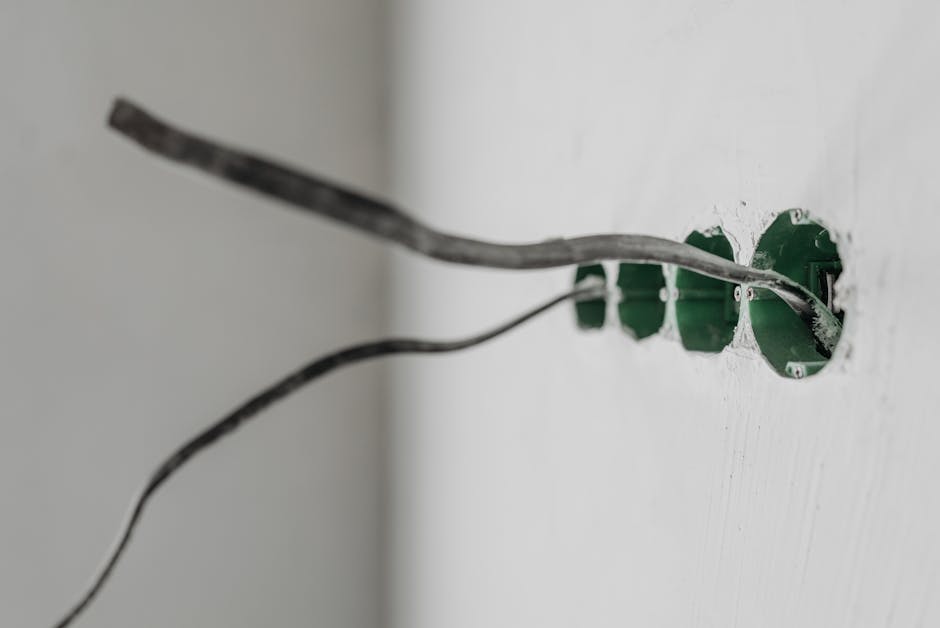
When Your Outlets Stop Working: Don't Panic, Troubleshoot
Nothing's more frustrating than plugging in your phone charger or coffee maker only to discover the outlet is completely dead. Before you call an electrician or assume the worst, there are several safe troubleshooting steps you can take to diagnose and potentially fix the problem yourself.
Dead outlets are among the most common household electrical issues, and fortunately, many causes have simple solutions that don't require professional intervention.
Safety First: Essential Precautions Before You Begin
Before touching any electrical components, always prioritize safety:
- Turn off power at the circuit breaker before inspecting outlets
- Use a non-contact voltage tester to confirm power is off
- Never work on electrical components with wet hands
- Have a flashlight ready in case you need to work in low light
- If you smell burning or see scorch marks, stop immediately and call a professional
Step 1: Test Multiple Devices
Before assuming the outlet is dead, test it with different devices. Sometimes the issue isn't the outlet but rather a faulty appliance or charger.
Try plugging in at least two different items you know work properly. If neither device receives power, you can confirm the outlet is the problem.
Quick Device Testing Tips
- Use a simple lamp or phone charger for initial testing
- Test both the top and bottom sockets if it's a duplex outlet
- Check if any indicator lights on your devices illuminate
Step 2: Check Your Circuit Breaker Panel
The most common cause of dead outlets is a tripped circuit breaker. Head to your electrical panel and look for any breakers that have switched to the "off" position or are sitting in the middle position.
A tripped breaker may not always be obvious. Sometimes breakers appear to be "on" but have actually tripped and need to be reset.
How to Reset a Circuit Breaker
- Locate the breaker that controls the dead outlet (check your panel labels)
- Turn the breaker completely to the "off" position
- Wait 30 seconds, then flip it back to "on"
- Test your outlet again
If the breaker immediately trips again, this indicates a more serious electrical problem that requires professional attention.
Step 3: Inspect and Reset GFCI Outlets
Ground Fault Circuit Interrupter (GFCI) outlets have built-in safety features that can cause them to "trip" and cut power. These outlets are typically found in bathrooms, kitchens, garages, and outdoor areas.
GFCI outlets have two buttons: "Test" and "Reset." If the outlet has tripped, the reset button will be partially pushed out.
Resetting a GFCI Outlet
- Press the "Reset" button firmly until you hear a click
- The button should sit flush with the outlet face
- Test the outlet with a device
- If it won't reset or immediately trips again, the outlet may need replacement
Pro Tip: One tripped GFCI outlet can affect multiple standard outlets downstream on the same circuit. Check all GFCI outlets in your home when troubleshooting dead outlets.
Step 4: Examine the Outlet for Physical Damage
With the power turned off at the breaker, remove the outlet cover plate using a screwdriver. Look for signs of:
- Loose or disconnected wires
- Burn marks or discoloration
- Damaged outlet receptacle
- Unusual odors
If you notice burn marks, melted plastic, or smell something unusual, do not attempt further troubleshooting. These are signs of serious electrical problems that require immediate professional attention.
Step 5: Check Wire Connections
Loose wire connections are another common cause of dead outlets. With power confirmed off, carefully examine the wire connections to the outlet.
What to Look For
- Wires that have come loose from terminals
- Wire nuts that have fallen off
- Corroded or damaged wire connections
- Wires that appear frayed or damaged
If you find loose connections, you may be able to reconnect them securely. However, if wires appear damaged or you're uncomfortable working with electrical connections, it's time to call a professional.
When to Call a Professional Electrician
While many outlet issues can be resolved through basic troubleshooting, certain situations require professional expertise:
- Circuit breakers that repeatedly trip
- Evidence of burning or electrical damage
- Multiple outlets on the same circuit are dead
- You're uncomfortable working with electrical components
- The outlet requires replacement or rewiring
Preventing Future Outlet Problems
Regular maintenance can help prevent outlet failures:
- Test GFCI outlets monthly using the test and reset buttons
- Avoid overloading outlets with too many devices
- Replace outlets that feel warm or show signs of wear
- Keep outlets clean and free from dust buildup
- Schedule periodic electrical inspections for older homes
Take Control of Your Home's Electrical Health
Dead outlets don't have to leave you powerless. By following these systematic troubleshooting steps, you can often restore functionality quickly and safely. Remember that electrical work has inherent risks, and there's no shame in calling a professional when you're unsure.
Regular maintenance and prompt attention to electrical issues will keep your home's power systems running smoothly for years to come.

Tags
Written by
Super Admin
Author at DynamoGenAi
Related Articles
Home Electrical Testing Methods: Using Multimeters and Voltage Testers for Accurate Diagnostics
DIY & Maintenance
Home Electrical Troubleshooting: Understanding Your Circuit Map and Electrical Panel Layout
DIY & Maintenance
Electrical Troubleshooting by Room: A Complete Home-by-Home Diagnostic Guide
DIY & Maintenance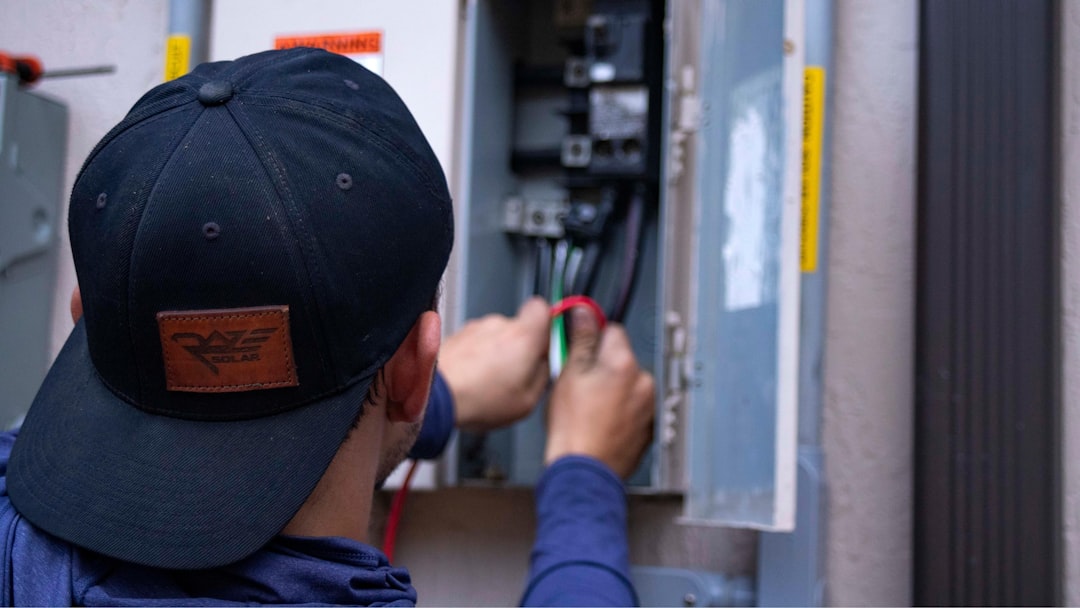
Electrical Troubleshooting Safety Protocols: How to Avoid Dangerous Mistakes During DIY Repairs
DIY & Maintenance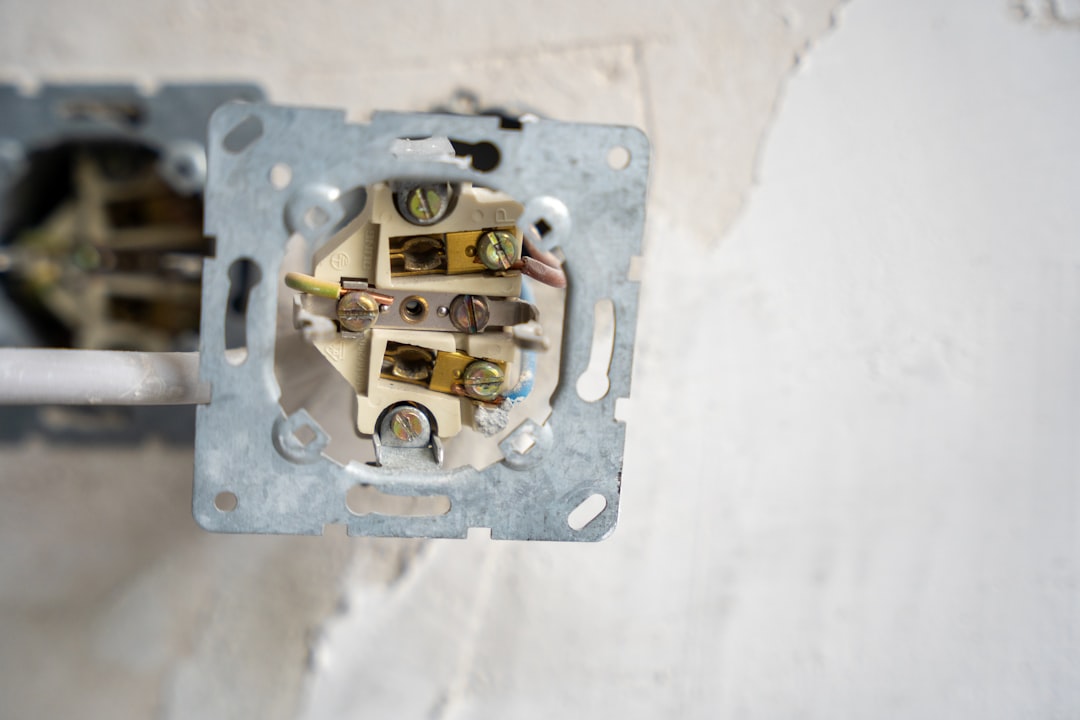
Intermittent Electrical Problems: How to Track Down Elusive Wiring Issues That Come and Go
DIY & Maintenance