Bathroom Exhaust Fan Not Working: Troubleshooting Motor, Switch, and Ventilation Issues
Is your bathroom exhaust fan running loudly, not turning on, or failing to remove moisture? Learn how to diagnose and fix common ventilation problems before calling an electrician.
Faustino Bartoletti IV
Author
Why Your Bathroom Exhaust Fan Matters More Than You Think
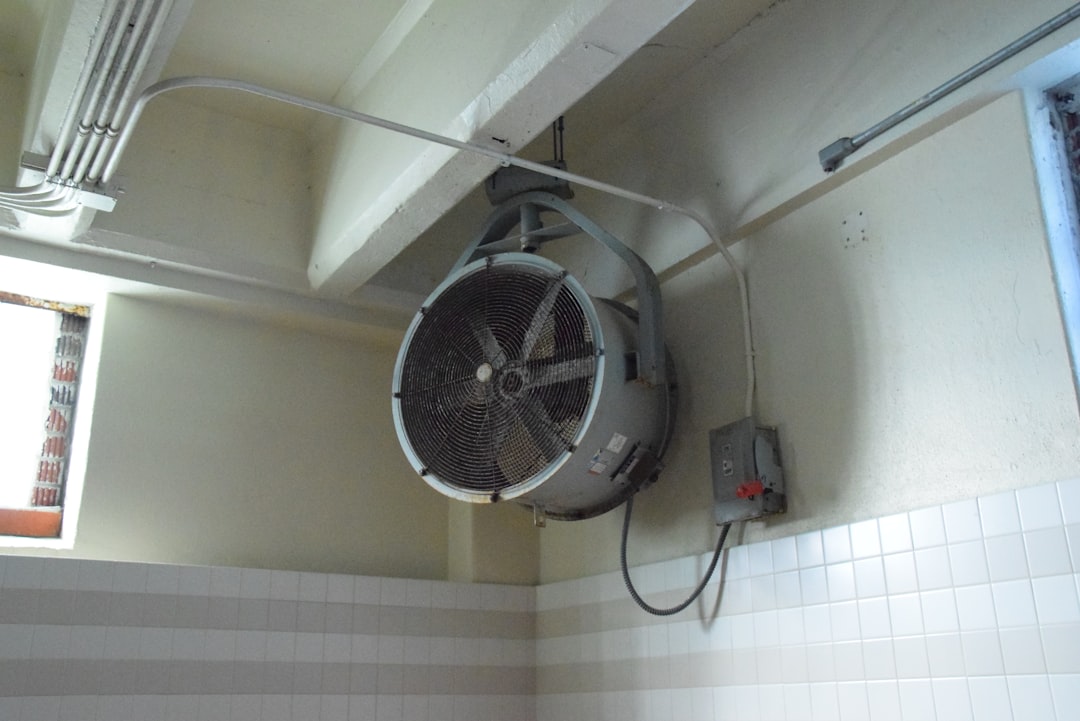
Your bathroom exhaust fan is one of the hardest-working electrical appliances in your home, running daily to combat moisture, prevent mold growth, and maintain air quality. When it stops working properly, you'll notice increased humidity, foggy mirrors that won't clear, and potentially serious moisture damage over time.
Most bathroom fan issues stem from a handful of common problems that homeowners can safely diagnose and often fix themselves. Understanding these issues can save you money and restore proper ventilation quickly.
Common Bathroom Exhaust Fan Problems and Symptoms
Fan Won't Turn On At All
Complete electrical failure is often the most straightforward issue to diagnose. If your fan doesn't respond to the switch, you're likely dealing with a power supply problem, faulty switch, or burned-out motor.
Fan Runs But Produces No Airflow
When you hear the motor running but feel no air movement, the problem usually lies with blocked vents, disconnected ductwork, or a seized fan blade assembly.
Excessive Noise and Vibration
Loud rattling, grinding, or humming sounds indicate worn bearings, loose mounting hardware, or debris caught in the fan housing. These issues often worsen over time if left unaddressed.
Intermittent Operation
Fans that work sporadically typically suffer from loose electrical connections, failing switches, or motors nearing the end of their lifespan.
Safe Troubleshooting Steps for Homeowners
Step 1: Check the Power Supply
Start by ensuring power reaches the fan circuit. Check your electrical panel for tripped breakers or blown fuses. Reset any tripped breakers and test the fan again. If the breaker trips immediately upon reset, you have a more serious electrical issue requiring professional attention.
Step 2: Test the Wall Switch
Use a non-contact voltage tester to verify the switch receives power. With the switch in the "on" position, you should detect voltage at the switch terminals. If there's no voltage, the problem lies upstream in your electrical system.
Safety Warning: Always turn off power at the circuit breaker before working with electrical connections. Use proper testing equipment to verify power is off before touching any wires.
Step 3: Inspect the Fan Unit
Remove the fan cover (usually held by spring clips or screws) and examine the fan blade assembly. Look for:
- Dust buildup preventing blade rotation
- Debris caught between blades and housing
- Loose or disconnected wiring connections
- Signs of overheating or burning on the motor
Step 4: Clean and Lubricate
Accumulated dust and grime cause most bathroom fan failures. Carefully clean the fan blades, housing, and motor vents using a vacuum and damp cloth. Some older fans have oil ports where you can add a few drops of lightweight machine oil to lubricate the bearings.
When DIY Fixes Aren't Enough
Motor Replacement
If cleaning doesn't restore proper operation, the motor may need replacement. Many bathroom fans use standard motor assemblies that homeowners can swap out. However, this requires working with electrical connections and should only be attempted by those comfortable with basic electrical work.
Ductwork Issues
Problems with the exhaust ductwork often require professional assessment. Disconnected ducts, improper venting to the outdoors, or crushed flexible ducting all reduce fan effectiveness and may violate building codes.
Upgrading to Modern Units
Older bathroom fans often lack adequate capacity for modern bathrooms. Current building codes typically require fans rated for the room's square footage plus additional capacity for enclosed shower areas. Upgrading may require new electrical circuits or structural modifications.
Preventive Maintenance Tips
Regular Cleaning Schedule
Clean your bathroom fan every three to six months, depending on usage. Remove the cover and vacuum out dust buildup. Wipe down the fan blades and housing with a damp cloth.
Check Exterior Vents
Inspect the exterior vent hood quarterly for blockages from debris, bird nests, or damaged flapper doors. Clear obstructions and ensure the flapper moves freely.
Monitor Performance
Pay attention to changes in fan noise levels or airflow strength. Early detection of problems prevents more expensive repairs and maintains proper bathroom ventilation.
Professional Help: Know When to Call
Contact a qualified electrician if you encounter:
- Repeated circuit breaker trips when operating the fan
- Burning smells or visible scorch marks on electrical components
- Complex wiring issues or the need for new electrical circuits
- Ductwork modifications or code compliance concerns
Conclusion: Maintaining Healthy Bathroom Ventilation
A properly functioning bathroom exhaust fan protects your home from moisture damage while maintaining indoor air quality. Most common issues respond well to basic troubleshooting and maintenance that homeowners can safely perform.
Regular cleaning and inspection catch problems early, extending your fan's lifespan and ensuring reliable operation. When in doubt about electrical safety or complex repairs, consulting with professionals like DynamoElectric Inc ensures your bathroom ventilation system operates safely and efficiently for years to come.
Tags
Written by
Faustino Bartoletti IV
Author at DynamoGenAi